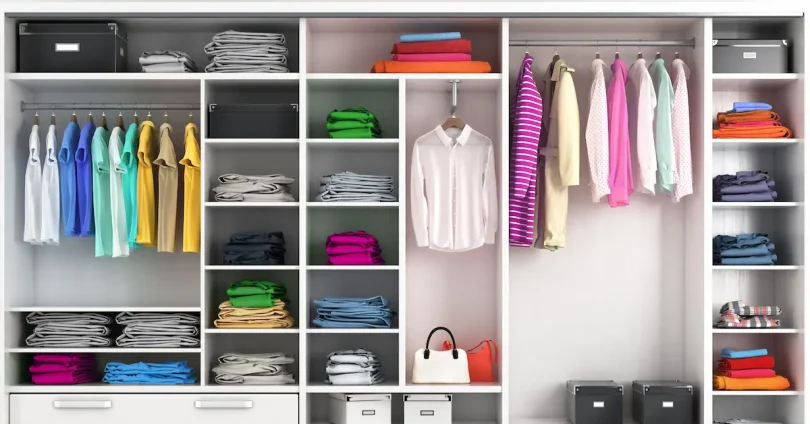

A well-organized wardrobe can make a huge difference in your daily life. When your closet is tidy and everything has a place, choosing outfits becomes faster, easier, and stress-free. Daily wardrobe organization isn’t just about neatness—it helps you save time in the morning, reduce decision fatigue, and make the most of the clothes you already own. daily wardrobe organization tips
By following simple, practical tips, you can turn a cluttered closet into a functional, stylish, and easy-to-manage space. Whether you have a small wardrobe or a large one, organizing your clothes daily ensures that your wardrobe is always ready for any occasion.
Declutter Regularly
Decluttering is the first and most important step in keeping your wardrobe organized. A clutter-free closet makes it easier to see what you have, choose outfits quickly, and maintain a tidy space. Regularly removing items you no longer wear, don’t fit, or are damaged ensures that your wardrobe remains functional and stress-free.
1. Assess Every Item
- Ask yourself key questions:
- “Have I worn this in the last year?”
- “Does it fit me comfortably?”
- “Do I feel confident wearing this?”
- If the answer is no to any of these, consider donating, selling, or recycling the piece.
- Keep items that are versatile, comfortable, and suit your current style.
2. Start Small
- Begin with one category at a time, such as tops, bottoms, dresses, or accessories. Daily Wardrobe Organization Tips
- Breaking the process into smaller sections prevents overwhelm and makes decluttering manageable. Daily Wardrobe Organization Tips
- Beginner tip: Set a timer for 15–30 minutes and focus on one section per session. Daily Wardrobe Organization Tips
3. Create Piles for Clarity
- Make three piles:
- Keep – items you wear regularly and love
- Donate/Sell – items in good condition but no longer needed
- Recycle/Discard – worn-out or damaged pieces
- Seeing the piles visually helps you make faster, more confident decisions.
4. Schedule Regular Decluttering Sessions
- Declutter seasonally (spring and fall) or every 3–6 months to refresh your wardrobe. Daily Wardrobe Organization Tips
- Quick weekly checks can prevent clutter from building up and keep your closet organized. Daily Wardrobe Organization Tips
- Beginner tip: Use your phone calendar to set reminders for seasonal decluttering. Daily Wardrobe Organization Tips
5. Benefits of Regular Decluttering
- Frees up space in your closet for the clothes you actually wear
- Saves time when choosing outfits
- Reduces stress and visual clutter
- Helps you focus on quality over quantity by keeping only the items you truly need
- Makes it easier to maintain other organizational systems like categorizing by type or color
By decluttering regularly, you create a wardrobe that is functional, stylish, and easy to navigate every day. It’s the foundation for maintaining a daily organized closet and ensures that every item you own is purposeful and wearable.
Categorize Your Clothing Daily Wardrobe Organization Tips

After decluttering, the next essential step is to categorize your clothes. Organizing items into logical groups not only makes your wardrobe visually appealing, but it also simplifies outfit selection, reduces decision fatigue, and helps maintain long-term organization. Daily Wardrobe Organization Tips
1. Group by Clothing Type
- Start by sorting your wardrobe into main categories:
- Tops – t-shirts, blouses, sweaters, casual shirts
- Bottoms – jeans, trousers, skirts, shorts
- Dresses – casual, work, formal
- Outerwear – jackets, coats, blazers, cardigans
- Shoes – casual, formal, athletic, seasonal
- Accessories – belts, scarves, handbags, jewelry, hats
- Beginner tip: Begin with broad categories to simplify the process, then create subcategories for more organization. Daily Wardrobe Organization Tips
2. Subcategorize by Occasion or Use
- For more detailed organization, divide clothing by frequency of use or occasion:
- Work attire vs. casual wear
- Formal vs. everyday outfits
- Seasonal items (summer vs. winter)
- This makes it quick and easy to pick an outfit that matches your schedule or event. Daily Wardrobe Organization Tips
3. Keep Frequently Used Items Accessible
- Place clothes you wear daily in easily reachable areas of your closet or drawers.
- Less frequently used, seasonal, or special-occasion items can be stored higher up, in bins, or in under-bed storage. Daily Wardrobe Organization Tips
- Beginner tip: Rotate items seasonally so your most-used clothing is always accessible. Daily Wardrobe Organization Tips
4. Use Storage Tools to Enhance Categorization
- Drawer dividers for underwear, socks, or accessories
- Bins or boxes for scarves, hats, or small items
- Hooks or racks for belts, handbags, and jewelry
- Labels on bins or shelves to clearly mark categories
5. Benefits of Categorization
- Makes daily outfit planning faster
- Prevents clothing from getting lost or forgotten
- Helps maintain a neat, visually appealing, and stress-free wardrobe
- Saves time by reducing the search for specific items
- Encourages better care for your clothes since you can see everything clearly
6. Beginner-Friendly Tips
- Start small by categorizing one section of your wardrobe at a time
- Consider color-coding subcategories to make selection even faster
- Review categories every few months to ensure your system still works with your lifestyle
By categorizing your clothing, you create a wardrobe system that is organized, functional, and easy to maintain daily, allowing you to choose outfits quickly, stay stylish, and reduce morning stress. Daily Wardrobe Organization Tips
you may also like to read these posts;
How to Organize Wardrobe: Easy Tips for a Tidy Closet
Modern Fashion Trends: Stylish Tips for Every Outfit
Wardrobe Essentials List: Build a Stylish, Versatile Closet
Capsule Wardrobe Tips: Build a Stylish, Versatile Closet
Organize by Color
Organizing your wardrobe by color is a simple yet powerful way to make your closet visually appealing and easier to navigate. It helps you quickly find items, coordinate outfits, and reduce decision fatigue, especially when you’re in a hurry. Daily Wardrobe Organization Tips
1. Start with Base Colors
- Base colors include neutrals like black, white, gray, beige, and navy.
- These colors form the foundation of your wardrobe and can be paired with almost anything. Daily Wardrobe Organization Tips
- Beginner tip: Keep your base color items together for easy access and maximum outfit versatility. Daily Wardrobe Organization Tips
2. Add Accent Colors
- Accent colors are brighter or trendier hues that add personality to your wardrobe.
- Examples: pastels, jewel tones, or bold shades like red, green, or mustard.
- Group accent-colored items separately or next to complementary base colors for easy pairing.
3. Arrange from Light to Dark
- Within each color category, arrange items from light to dark shades.
- This makes the closet look organized and helps you quickly identify what to wear.
- Beginner tip: Fold or hang lighter items on the left and darker ones on the right, or vice versa—consistency is key.
4. Color-Code Accessories and Shoes
- Extend the color organization to accessories like scarves, belts, and handbags.
- Shoes can also be grouped by color to make pairing with outfits easier.
- Consider using bins or dividers for smaller colored items to keep them tidy.
5. Benefits of Organizing by Color
- Speeds up outfit selection because coordinating colors is easier
- Creates a visually appealing closet that is easy to maintain
- Reduces stress by making it clear where each item belongs
- Encourages better outfit combinations and experimentation
6. Beginner-Friendly Tips
- Start with your most-used colors first, then gradually organize less frequent colors
- Use matching hangers or labels for each color section to keep things consistent
- Reassess every few months, especially if you add new clothing or switch seasons
By organizing your wardrobe by color, you make it faster and easier to put together stylish outfits every day while maintaining a neat and visually appealing closet.
Use Smart Storage Solutions

Using smart storage solutions is key to keeping your wardrobe organized, accessible, and clutter-free. Proper storage not only protects your clothes but also maximizes space and simplifies daily outfit selection.
1. Utilize Hangers Strategically
- Use matching hangers for a neat, cohesive look.
- Hang similar items together: shirts, blouses, jackets, and dresses.
- Consider slim, non-slip hangers to save space and keep clothes in place.
- Beginner tip: Hang items you wear frequently at eye level for easy access.
2. Fold Clothes Efficiently
- Fold items like sweaters, t-shirts, and jeans to save drawer space.
- Use the KonMari method: fold items vertically so you can see every piece at a glance.
- Store folded clothes by category or color for added organization.
3. Use Drawers, Bins, and Dividers
- Drawers are perfect for smaller items like underwear, socks, and accessories.
- Bins or boxes can hold seasonal clothes or items you rarely wear.
- Dividers in drawers or shelves help keep items separated and tidy.
4. Maximize Vertical and Hidden Space
- Use the top shelves for items you rarely use.
- Add stackable bins or boxes under beds for off-season clothing.
- Hooks or wall-mounted racks are perfect for bags, belts, or scarves.
5. Organize Shoes Smartly
- Use shoe racks, clear boxes, or cubbies to keep shoes visible and accessible.
- Store seasonal shoes in labeled bins to free up closet space.
6. Label Everything
- Labels on bins, drawers, or shelves make it easy to find items quickly.
- This is especially helpful for accessories, handbags, or folded items.
7. Benefits of Smart Storage Solutions
- Keeps your wardrobe tidy and easy to navigate
- Protects your clothing from damage and wrinkles
- Saves time by making items visible and accessible
- Reduces stress and decision fatigue in the morning
By using smart storage solutions, you can maximize your closet space, keep your wardrobe organized daily, and make dressing faster, easier, and more enjoyable.
How often should I organize my wardrobe?
It’s best to declutter and reorganize every 3–6 months. Quick weekly checks also help maintain daily order.
How do I know which clothes to declutter?
Ask yourself:
“Have I worn this in the last year?”
“Does it fit me well?”
“Do I feel confident wearing it?”
If the answer is no, consider donating, selling, or recycling it.
What’s the easiest way to maintain daily organization?
Return clothes to their designated place immediately after use
Fold or hang clothes properly
Use bins, dividers, and labels for smaller items
Can organizing by color really help?
Yes! Color organization makes outfit selection faster, visually appealing, and reduces decision fatigue.
Conclusion
A well-organized wardrobe makes daily dressing faster, easier, and stress-free. By following simple tips—such as decluttering regularly, categorizing your clothing, organizing by color, using smart storage solutions, and rotating seasonal items—you can create a closet that is both functional and visually appealing.
Maintaining an organized wardrobe not only saves time each morning, but it also helps you make better outfit choices, protect your clothes, and reduce clutter. With consistent daily habits and smart organization strategies, even a small closet can feel spacious, efficient, and stylish.
Start small, stay consistent, and watch how these daily wardrobe organization tips transform your mornings and make your entire wardrobe more enjoyable to use.