
A well-organized wardrobe can make your daily life easier, save time, and reduce stress. When your clothes are neatly arranged and easy to find, getting dressed becomes a quick and enjoyable task. how to organize wardrobe
Whether you have a small closet or a large walk-in wardrobe, organizing your clothes effectively helps protect your clothing, create versatile outfits, and keep your space clutter-free. This guide will provide practical and easy-to-follow tips on how to organize your wardrobe, from decluttering and categorizing to folding, hanging, and maintaining your closet. By following these steps, even beginners can achieve a functional, stylish, and stress-free wardrobe.
Declutter Your Wardrobe
Decluttering is the most important first step toward an organized and functional wardrobe. It helps you remove unnecessary items, create space for the clothes you truly wear and love, and makes getting dressed easier every day.
1. Empty Your Wardrobe Completely
- Take all clothing, shoes, and accessories out of your closet and drawers.
- Seeing everything at once helps you understand what you have and what you really use.
- Beginner tip: Lay items on your bed or a large surface so you can sort them easily.
2. Sort Into Three Piles: Keep, Donate, Discard
- Keep: Clothes you wear regularly, fit well, and are in good condition.
- Donate: Items in good condition that you no longer wear or no longer fit.
- Discard/Recycle: Clothes that are worn out, stained, or damaged beyond repair.
- Beginner tip: Be honest with yourself—if you haven’t worn an item in 12 months, it’s usually safe to let it go.
3. Check for Fit, Style, and Condition
- Try on items that you’re unsure about to confirm fit and comfort.
- Remove anything that doesn’t match your current style or body shape.
- Inspect clothes for stains, holes, fading, or loose threads.
- Beginner tip: Photograph sentimental items before donating, so you can keep the memory without keeping the clutter.
4. Seasonal Decluttering
- Separate clothing by season: spring/summer and fall/winter.
- Store off-season clothes in labeled bins, under-bed storage, or higher shelves to free up space.
- Keep only the current season’s clothes accessible for easy daily use.
5. Create a Donation or Recycling System
- Keep a box or bag in your closet for items to donate or recycle.
- Schedule monthly or quarterly reviews to ensure your wardrobe stays clutter-free.
- Consider local charities, thrift stores, or textile recycling programs.
- Beginner tip: Make decluttering a regular habit, not a one-time task, to maintain an organized wardrobe.
6. Benefits of Decluttering
- Makes it easier to find and pair outfits quickly.
- Frees up space for essential or versatile pieces.
- Reduces stress and decision fatigue in daily dressing.
- Helps you focus on quality pieces that truly fit your style.
Decluttering sets the stage for organizing your wardrobe efficiently. Once unnecessary items are removed, categorizing, storing, and maintaining your clothes becomes much simpler and enjoyable.
Categorize Your Clothing
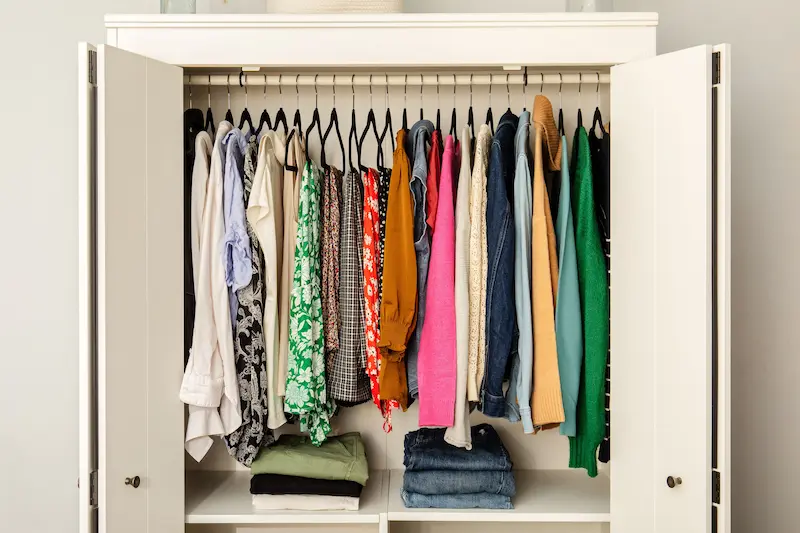
Once you’ve decluttered your wardrobe, the next crucial step is categorization. Organizing your clothes by type, color, season, and usage makes your wardrobe easier to navigate, simplifies outfit planning, and keeps it consistently tidy.
1. Organize by Type
- Group your clothing into main categories: tops, bottoms, dresses, outerwear, shoes, and accessories.
- Within each category, further group similar items—for example, long-sleeve tops separate from T-shirts, or skirts apart from trousers.
- Beginner tip: Keep frequently worn categories, like casual tops and jeans, at eye level for quick access.
2. Sub-Categorize by Color
- Within each type, arrange items from light to dark colors. This not only looks visually pleasing but also makes outfit coordination much faster.
- For patterned items, group them by dominant color or type of print.
- Beginner tip: Stick to a neutral base (white, black, beige, grey) first, then add colorful pieces gradually.
3. Organize by Season
- Separate your wardrobe into spring/summer and fall/winter sections.
- Store off-season items in bins, vacuum bags, or on higher/lower shelves to maximize closet space.
- Beginner tip: Rotate seasonal clothing at the start of each season to keep only the current clothes visible and accessible.
4. Consider Frequency of Use
- Items you wear daily should be placed in the most accessible areas.
- Special-occasion or rarely used items can be stored higher, lower, or in separate bins.
- Beginner tip: Keep your go-to outfits front and center to save time during busy mornings.
5. Group Accessories Strategically
- Keep belts, scarves, hats, and jewelry in designated containers, hooks, or drawer organizers.
- Group by type, size, or color for faster pairing with outfits.
- Beginner tip: Clear boxes or labeled trays make it easy to find and maintain accessories.
6. Use Labels and Dividers
- Label shelves, bins, or drawers to indicate what belongs where.
- Use shelf dividers to keep stacks of folded clothes neat and separated.
- Beginner tip: This is especially useful if multiple people share the wardrobe or for keeping small items organized.
7. Benefits of Categorizing Your Wardrobe
- Saves time finding clothes and accessories
- Makes outfit coordination faster and easier
- Keeps your wardrobe visually organized and appealing
- Helps maintain long-term order and simplifies future decluttering
Proper categorization creates a clear structure for your wardrobe. Once each piece has its designated place, maintaining organization, planning outfits, and keeping your closet clutter-free becomes effortless.
you may also like to read these posts;
Modern Fashion Trends: Stylish Tips for Every Outfit
Wardrobe Essentials List: Build a Stylish, Versatile Closet
Capsule Wardrobe Tips: Build a Stylish, Versatile Closet
Daily Wardrobe Organization Tips for a Tidy, Stress-Free Closet
Use Smart Storage Solutions How to Organize Wardrobe
Smart storage solutions help you make the most of your wardrobe space, keep everything accessible, and maintain long-term organization. Even a small closet can feel spacious and functional with the right methods.
1. Hanging Organizers
- Use hangers for items like shirts, blouses, jackets, dresses, and coats.
- Uniform hangers create a clean, organized look and prevent clothes from slipping or getting misshapen.
- Hanging organizers with pockets or multiple tiers are ideal for shoes, folded clothes, or accessories.
- Beginner tip: Hang frequently used items at eye level and less-used items higher or lower to save energy searching.
2. Shelves and Bins
- Fold bulkier items such as sweaters, jeans, or sweatshirts and place them neatly on shelves to avoid stretching. How to Organize Wardrobe
- Use bins or baskets to store handbags, hats, belts, and off-season items.
- Clear or labeled bins make it easy to see what’s inside without rummaging.
- Stack items by category or color to make outfit planning faster and visually appealing. How to Organize Wardrobe
3. Drawer Dividers and Organizers
- Keep small items like socks, underwear, scarves, or jewelry tidy. How to Organize Wardrobe
- Dividers separate items, prevent tangling, and make it easy to grab what you need. How to Organize Wardrobe
- Beginner tip: Assign a section of each drawer for a specific item type, making maintenance effortless. How to Organize Wardrobe
4. Hooks and Racks
- Hooks or wall-mounted racks are perfect for belts, scarves, hats, and handbags.
- Over-the-door hooks maximize small spaces and keep frequently used accessories visible.
- Tiered racks or cascading hooks can hold multiple items in one spot, saving space.
5. Space-Saving Techniques
- Use vacuum-sealed bags for bulky winter coats or off-season clothes to save closet space.
- Consider under-bed storage boxes for shoes, blankets, or items used occasionally.
- Double hanging rods, tiered hangers, or hanging shelf organizers can significantly increase vertical storage.
- Beginner tip: Store rarely used items higher up or behind other clothing, keeping everyday essentials within easy reach.
6. Labeling and Visual Organization
- Label shelves, bins, or drawers so you always know where each item belongs.
- Visual organization reduces time spent searching and helps maintain tidiness.
- Beginner tip: Color-coded labels or clear containers make it easy to identify and return items to their proper spot.
7. Benefits of Smart Storage Solutions
- Maximizes space in small or large closets How to Organize Wardrobe
- Makes clothes and accessories easily accessible How to Organize Wardrobe
- Protects garments from wrinkles, dust, or damage How to Organize Wardrobe
- Keeps your wardrobe visually appealing and easier to maintain How to Organize Wardrobe
- Saves time and energy when choosing outfits How to Organize Wardrobe
Using smart storage solutions transforms your wardrobe into a functional, organized, and stress-free space, allowing you to enjoy your clothing and create outfits effortlessly every day. How to Organize Wardrobe
Fold and Hang Strategically
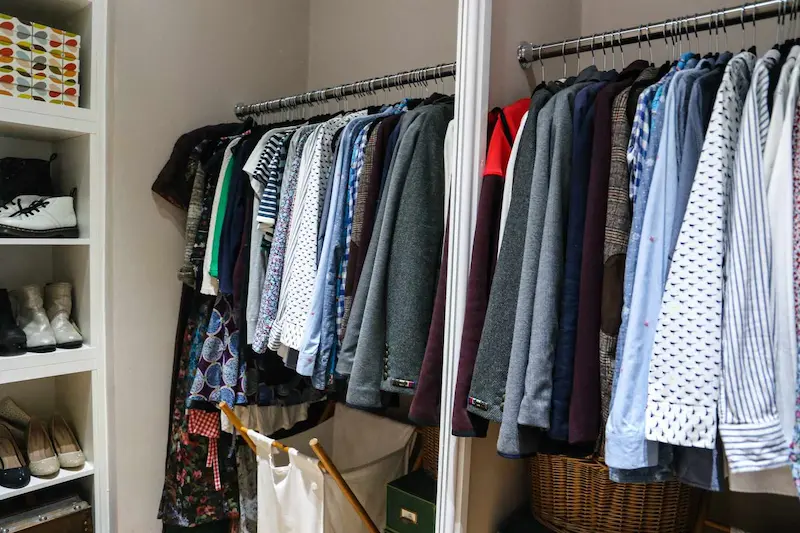
Properly folding and hanging clothes is key to maintaining a tidy, functional wardrobe. The right method preserves your clothing, prevents wrinkles or damage, and ensures everything is easy to access. How to Organize Wardrobe
1. Fold Bulkier Items
- Sweaters, hoodies, and knitwear: Folding prevents stretching and keeps their shape intact. How to Organize Wardrobe
- Jeans and trousers: Fold neatly and stack by color or type on shelves or in bins.
- T-shirts and casual tops: Fold and organize in drawers or shelf stacks for quick access. How to Organize Wardrobe
- Beginner tip: Stack heavier items at the bottom and lighter ones on top to avoid toppling piles. How to Organize Wardrobe
2. Hang Delicate Fabrics
- Blouses, dresses, and tailored jackets: Hanging prevents wrinkles, creases, and damage. How to Organize Wardrobe
- Use padded, shaped, or non-slip hangers for delicate fabrics like silk, chiffon, or satin. How to Organize Wardrobe
- Group similar items together—e.g., all dresses on one rod, all jackets on another—for easy outfit planning. How to Organize Wardrobe
- Beginner tip: Hang clothes in the order you wear them most often to simplify daily dressing. How to Organize Wardrobe
3. Organize by Frequency of Use
- Place everyday essentials like T-shirts, jeans, or work clothes at eye level or within easy reach.
- Store special-occasion or seasonal items higher or lower in the closet.
- Beginner tip: Rotate items based on seasonal use, keeping the current season’s clothes most accessible.
4. Use Efficient Folding Techniques
- Marie Kondo method: Fold items into small rectangles that stand upright in drawers for easy visibility.
- Rolling technique: Great for T-shirts, casual pants, or travel clothing to save space.
- Stack by category or color: Helps you locate items quickly and keeps the wardrobe visually neat.
5. Maximize Hanging Space
- Use double rods to hang shorter items like shirts on top and pants or skirts below.
- Add hanging organizers with shelves for folded items or shoes.
- Hooks on the inside of doors or walls can hold belts, scarves, or bags.
6. Benefits of Folding and Hanging Strategically
- Clothes stay in better condition for longer
- Prevents wrinkles and stretching
- Saves time when choosing outfits
- Keeps wardrobe visually organized and easy to maintain
By folding and hanging your clothes strategically, you create a functional and efficient wardrobe. Everything has its place, making it easier to maintain order, select outfits quickly, and enjoy your closet every day.
How often should I organize my wardrobe?
It’s best to declutter and reorganize your wardrobe at least twice a year, usually at the start of each season. Regular maintenance, like folding and returning items to their designated spots weekly, keeps it tidy.
How can I maximize space in a small closet?
Use vertical space with double hanging rods, hooks, and shelf organizers. Fold bulky items and store off-season clothes in bins or under-bed storage to free up space.
Should I hang or fold my clothes?
Hang: Delicate fabrics, dresses, blouses, and tailored items to prevent wrinkles.
Fold: Sweaters, jeans, T-shirts, and heavy items to maintain shape and save space.
Conclusion
Organizing your wardrobe doesn’t have to be overwhelming. By decluttering, categorizing, using smart storage solutions, folding and hanging strategically, and rotating seasonal items, you can create a functional, stress-free, and visually appealing wardrobe.
A well-organized closet saves time, protects your clothes, and makes choosing outfits effortless. With these practical tips, even beginners can enjoy a tidy, efficient wardrobe that suits their lifestyle and personal style. Start small, stay consistent, and you’ll find that maintaining an organized wardrobe becomes a simple, rewarding habit.