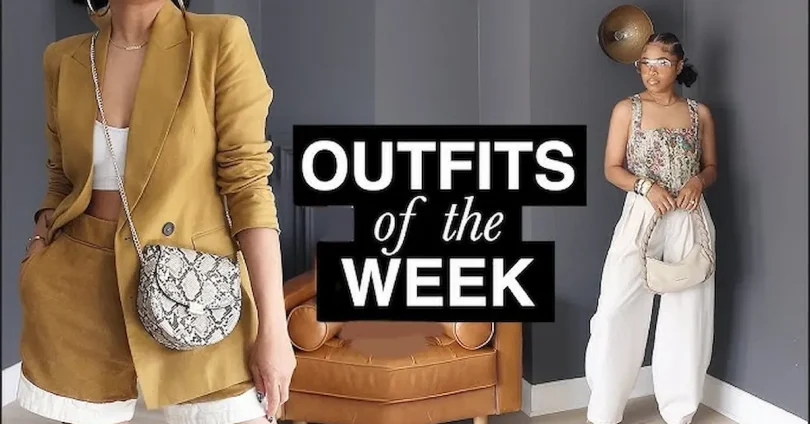

Styling clothes doesn’t have to be complicated or time-consuming. With a few smart choices, you can make any outfit look polished, stylish, and effortless. Knowing how to combine clothes, choose the right colors, and pick comfortable fabrics can save you time while boosting your confidence.
This guide on how to style clothes easily will show you simple tips and tricks for creating versatile outfits. Whether you are dressing for work, casual outings, or special events, these strategies will help you look put-together without stress. By the end, you’ll have practical ideas to make everyday styling quick, fun, and enjoyable.
Understand Your Personal Style How to Style Clothes Easily
What Personal Style Means
Personal style is the way you express yourself through clothing, colors, and accessories. It reflects your personality, lifestyle, and preferences. Styling clothes easily starts with knowing what looks good on you and what makes you feel confident. Your style doesn’t have to follow every trend—simplicity and comfort are often more important than chasing fast fashion.
Identify Clothing Types That Suit You
Start by paying attention to the clothes you naturally feel comfortable wearing. Do you prefer casual t-shirts and jeans, or more formal shirts and trousers? For women, do dresses and skirts make you feel confident, or are trousers and tops your go-to? Recognizing your preferences helps you quickly select outfits without wasting time.
Recognize Your Favorite Colors and Patterns
Certain colors and patterns look better on different skin tones and personalities. Identify the shades that make you feel confident and lively, and notice the ones you avoid. Stick to a color palette that complements your skin tone and wardrobe basics. Neutral colors like black, white, grey, and beige are perfect for mix-and-match outfits. Adding one or two accent colors can make outfits more lively without overcomplicating them.
Understand Different Outfit Types
It’s important to know which clothing works for various occasions:
- Casual Outfits: Comfortable and relaxed, ideal for daily errands or informal outings.
- Work/Office Outfits: Neat, well-fitted, and professional-looking clothes.
- Semi-Formal or Event Outfits: Stylish pieces that stand out but remain simple enough to wear comfortably.
Knowing these distinctions helps you pick the right outfit for any situation effortlessly.
Why Knowing Your Style Makes Styling Easier
When you understand your personal style, deciding what to wear becomes faster and more stress-free. You’ll naturally gravitate toward clothes that fit well, look good on you, and match your lifestyle. Over time, this knowledge allows you to create versatile outfits and avoid fashion mistakes.
Tips for Exploring Your Style
- Experiment with different combinations of clothes you already own.
- Take note of what outfits make you feel confident and comfortable.
- Use a small mirror or take photos to see how outfits look on you.
- Don’t be afraid to tweak trends to suit your personality rather than following them exactly.
Build a Capsule Wardrobe
What a Capsule Wardrobe Is
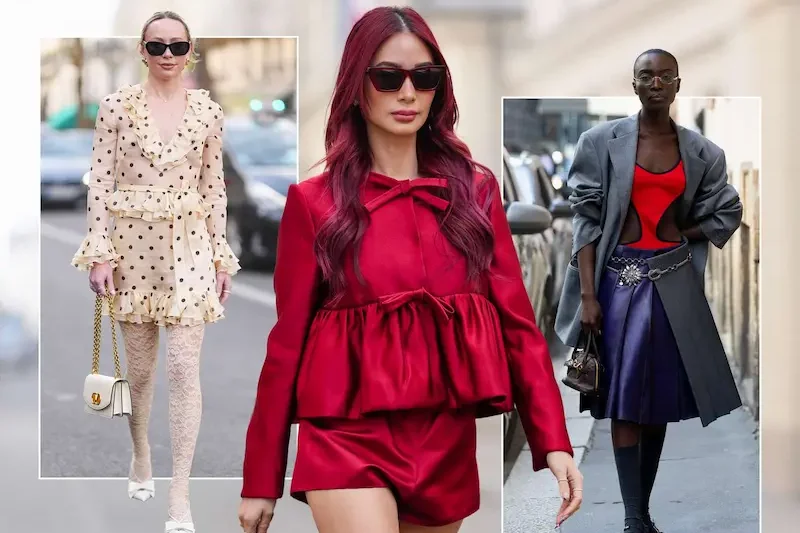
A capsule wardrobe is a collection of versatile, timeless pieces that can be mixed and matched easily. Instead of buying lots of trendy clothes, you focus on a smaller number of high-quality items that work together. This makes styling clothes much easier, saves time in the morning, and reduces decision fatigue.
Essential Pieces for Men
Men can create a simple and functional wardrobe with a few versatile items:
- T-shirts and Polos: Plain or subtly patterned in neutral colors like white, grey, black, and navy. Perfect for layering or casual wear.
- Shirts: Casual and formal shirts that can be dressed up or down. Solid colors and minimal patterns are easiest to mix and match.
- Trousers and Jeans: Well-fitted jeans for casual outings and trousers for work or semi-formal occasions. Neutral colors allow maximum outfit combinations.
- Outerwear: Light jackets, blazers, or cardigans that can complement multiple outfits.
- Shoes: Sneakers for casual wear, loafers or dress shoes for office settings, and boots for colder weather.
Essential Pieces for Women
Women can build a capsule wardrobe with versatile items that mix and match easily:
- Tops and Blouses: Simple tops in neutral shades, suitable for pairing with skirts, trousers, or jeans.
- Dresses: Classic dresses that can be styled for casual or semi-formal occasions. Solid colors or subtle patterns work best.
- Skirts and Trousers: Comfortable and versatile pieces that can be worn in multiple combinations.
- Layering Items: Cardigans, jackets, or blazers to add depth to outfits and stay comfortable in different weather.
- Shoes: Flats, sneakers, or low heels for daily wear, with a pair of stylish heels or boots for special occasions.
- Accessories: Minimal jewelry, belts, or scarves to elevate outfits without overcomplicating them.
Why Quality Matters
Investing in high-quality basics ensures that your clothes last longer and retain their shape and color. Well-made items also feel better on your skin and look polished, even with minimal effort. Quality over quantity is the key principle of a capsule wardrobe.
How to Start Building Your Capsule Wardrobe
- Assess Your Current Wardrobe: Keep items you wear regularly and donate or store those you rarely use.
- Choose Neutral Basics First: Black, white, grey, beige, and navy are easy to combine and create a foundation for your outfits. How to Style Clothes Easily
- Add a Few Accent Pieces: Introduce colors, patterns, or statement items gradually to keep outfits interesting. How to Style Clothes Easily
- Focus on Versatility: Pick items that can be dressed up or down and work across multiple occasions. How to Style Clothes Easily
- Build Gradually: Start with essentials and add pieces over time based on your style preferences and lifestyle. How to Style Clothes Easily
Benefits of a Capsule Wardrobe
- Simplifies outfit choices and daily styling How to Style Clothes Easily
- Saves time and reduces stress How to Style Clothes Easily How to Style Clothes Easily
- Ensures your wardrobe is cohesive and functional How to Style Clothes Easily
- Encourages smarter, budget-friendly shopping How to Style Clothes Easily
you may also like to read these posts;
How to Organize Wardrobe: Easy Tips for a Tidy Closet
Modern Fashion Trends: Stylish Tips for Every Outfit
Wardrobe Essentials List: Build a Stylish, Versatile Closet
Capsule Wardrobe Tips: Build a Stylish, Versatile Closet
Daily Wardrobe Organization Tips for a Tidy, Stress-Free Closet
Choose the Right Fit and Fabrics
Why Fit Matters
Fit is one of the most important elements of looking stylish. Clothes that fit well instantly make you look polished and confident, while ill-fitting pieces can appear sloppy or uncomfortable. Whether for men or women, choosing garments that follow your body’s natural shape without restricting movement is key to effortless styling. How to Style Clothes Easily
How to Determine the Right Fit
- Shoulders: For shirts, jackets, and blazers, seams should align perfectly with your shoulders. Avoid drooping or tight seams. How to Style Clothes Easily
- Waist and Hips: Pants, skirts, and dresses should fit snugly without squeezing or pinching. Stretch fabrics can enhance comfort. How to Style Clothes Easily
- Sleeves and Lengths: Shirt sleeves should reach your wrists, and trousers should fall neatly over shoes. Dresses and skirts should sit comfortably without riding up. How to Style Clothes Easily
- Movement Test: Sit, bend, and walk in your clothes to ensure comfort throughout the day. How to Style Clothes Easily
Best Fabrics for Daily Wear
Choosing the right fabric enhances comfort, durability, and style:
- Cotton: Soft, breathable, and versatile. Ideal for t-shirts, shirts, casual dresses, and trousers. How to Style Clothes Easily
- Linen: Lightweight and airy, perfect for warm weather. Wrinkles easily but looks relaxed and stylish. How to Style Clothes Easily
- Wool and Wool Blends: Warm and soft, ideal for sweaters, coats, or blazers during colder months. How to Style Clothes Easily
- Polyester Blends: Durable, low-maintenance, and wrinkle-resistant. Great for office wear and casual pieces. How to Style Clothes Easily
- Stretch Fabrics (Elastane/Spandex): Allow flexibility and comfort in fitted trousers, jeans, and casual wear. How to Style Clothes Easily
Fabrics to Avoid for Daily Wear
- Heavy synthetic fabrics that trap heat
- Stiff or scratchy materials that irritate the skin
- Fabrics that require frequent ironing or dry cleaning
- Materials that lose shape or color quickly with washing
Comfort Meets Style
Style doesn’t have to compromise comfort. Lightweight fabrics with a soft drape look elegant while allowing freedom of movement. Combining well-fitted clothes with breathable fabrics ensures effortless, all-day comfort.
Fabrics for Different Seasons
- Summer: Cotton, linen, chambray, and light blends keep you cool and breathable.
- Winter: Wool, fleece, thick cotton, and blends provide warmth. Layering adds versatility and style.
- Rainy/Transitional Seasons: Quick-dry, wrinkle-resistant, and water-repellent fabrics are practical. Light jackets and synthetic blends are ideal.
Tips for Maintaining Fabric Quality
- Follow care instructions on labels
- Avoid over-washing to prolong life
- Hang jackets, blazers, and coats; fold knits and delicate fabrics
- Rotate frequently worn items to prevent early wear
- Protect colors by washing similar shades together
Extra Tips for Men and Women
- Men: Invest in well-fitted shirts, trousers, and jackets in cotton or wool blends. Stretch fabrics in casual pants improve comfort.
- Women: Dresses, blouses, and skirts in breathable cotton, linen, or soft blends work well. Layer with cardigans or jackets in winter.
- Universal Tip: Stick to neutral-colored fabrics (black, white, grey, beige, navy) for easy mixing and maximum outfit combinations.
Master Color Coordination

Why Color Coordination Matters
Colors play a major role in making an outfit look stylish and cohesive. Even simple clothes can appear polished when colors complement each other. Proper color coordination boosts confidence and ensures your daily outfits look well put together without effort.
Start With Neutral Base Colors
Neutral colors like black, white, grey, beige, and navy are the easiest to mix and match. They form the foundation of your wardrobe and allow you to create multiple outfits with minimal effort. Using neutral bases ensures a clean, balanced, and versatile look suitable for almost any occasion.
Add One Accent Color
To make outfits more lively, add one accent color per look. This could be a bright shirt, scarf, bag, or shoes. Using only one accent color keeps the outfit balanced and prevents it from looking too busy. Accent colors allow you to experiment without overwhelming your wardrobe.
Avoid Mixing Too Many Colors
Wearing too many colors at once can make your outfit look messy and uncoordinated. Stick to two or three colors per outfit—your base neutral colors plus one accent is usually enough. Simplicity is key to effortless style.
Easy Color Pairing Rules
- Light colors pair well with other light shades; dark colors work best with similar tones.
- Neutral colors can be combined with both light and dark shades.
- Pair warm colors (like red, orange, beige) with other warm shades, and cool colors (like blue, grey, green) with cool shades for harmony.
- Avoid clashing patterns and overly bright combinations for everyday wear.
Using Accessories to Enhance Color
Accessories like belts, scarves, watches, bags, and shoes can be used to introduce accent colors into your outfit. Keep accessories minimal and consistent with your chosen color palette to enhance style without overcomplicating your look.
Tips for Men and Women
- Men: Match shoes and belts in neutral colors. Add ties, pocket squares, or watches for subtle color accents.
- Women: Coordinate handbags, shoes, and jewelry with your accent colors. A scarf or light jacket can add style and a pop of color.
- Universal Tip: Always test your outfit in natural light to ensure colors complement each other and look balanced.
Benefits of Mastering Color Coordination
- Creates polished and cohesive outfits effortlessly
- Makes even simple wardrobe pieces look stylish
- Reduces time spent worrying about whether items match
- Enhances confidence in everyday dressing
How many outfits are enough for daily wear?
A small collection of 10–15 versatile pieces is often enough to create multiple outfits. Focus on mix-and-match basics, neutral colors, and a few accent items to maximize combinations.
Can basic pieces look stylish every day?
Yes! With the right fit, colors, and accessories, basic wardrobe items like t-shirts, jeans, and neutral tops can be styled to look polished and fashionable every day.
How do I mix and match clothes without making mistakes?
Stick to a neutral base for your outfit and add one accent color. Limit bold patterns to one item per look, and choose fabrics and fits that complement each other. Simple layering also helps create coordinated outfits.
Conclusion
Styling clothes doesn’t have to be complicated or time-consuming. By focusing on fit, comfort, color coordination, and versatile wardrobe pieces, anyone can create stylish outfits effortlessly. Understanding your personal style and building a capsule wardrobe makes daily dressing faster, easier, and more enjoyable. With the tips from this guide, you can mix and match your clothes, use simple accessories, and layer smartly to look polished and confident every day. Start small, keep it simple, and gradually refine your style to reflect your personality and lifestyle.