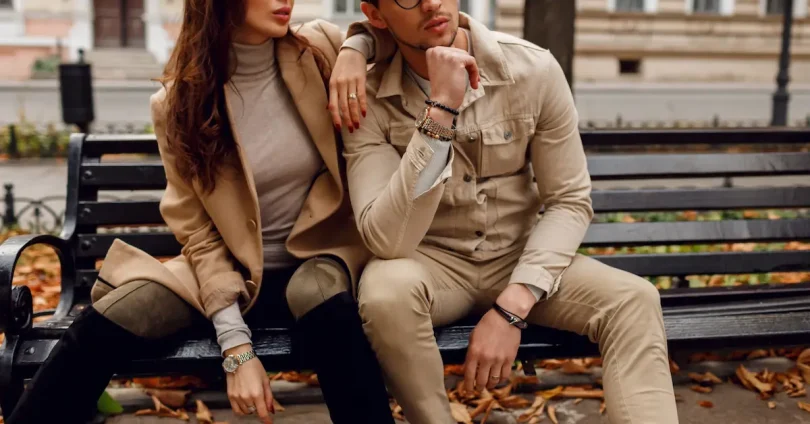

Looking stylish is not just about following the latest fashion trends—it’s about feeling confident, comfortable, and true to your personal style. Both men and women can create outfits that look polished and feel good without spending hours in front of the wardrobe.
This men and women style guide is designed to help you understand the basics of dressing well, choosing the right clothes, and building a versatile wardrobe. Whether you are heading to work, college, casual outings, or just running errands, these tips will make dressing easier, smarter, and more enjoyable every day.
Understanding Personal Style men and women style guide
What Personal Style Means
Personal style is the way you express yourself through clothing, accessories, and overall appearance. It’s not about blindly following trends—it’s about choosing outfits that reflect your personality, make you feel confident, and suit your lifestyle. Both men and women can develop a style that is unique, practical, and easy to maintain.
Differences and Similarities Between Men’s and Women’s Fashion
While men’s and women’s wardrobes have different types of clothing, the core principles of style remain the same. Fit, comfort, color coordination, and simplicity matter for everyone. Men may focus on shirts, trousers, and jackets, while women may include dresses, skirts, or blouses. However, both can follow similar rules for creating balanced and versatile outfits.
Why Comfort and Fit Matter More Than Trends
Clothes that fit well and feel comfortable make a bigger impact than following fashion trends. Ill-fitting or uncomfortable clothing can reduce confidence and make even stylish outfits look unpolished. Prioritizing comfort, fit, and simplicity ensures your daily outfits look effortless and professional.
How to Start Developing Your Personal Style
Start by identifying clothing items you feel confident in and enjoy wearing. Stick to a color palette that works for you, choose fabrics that feel comfortable, and gradually add versatile pieces. Observing what works in your daily routine helps refine your style over time, making dressing easier and stress-free.
Building a Basic Wardrobe
Why a Basic Wardrobe Matters
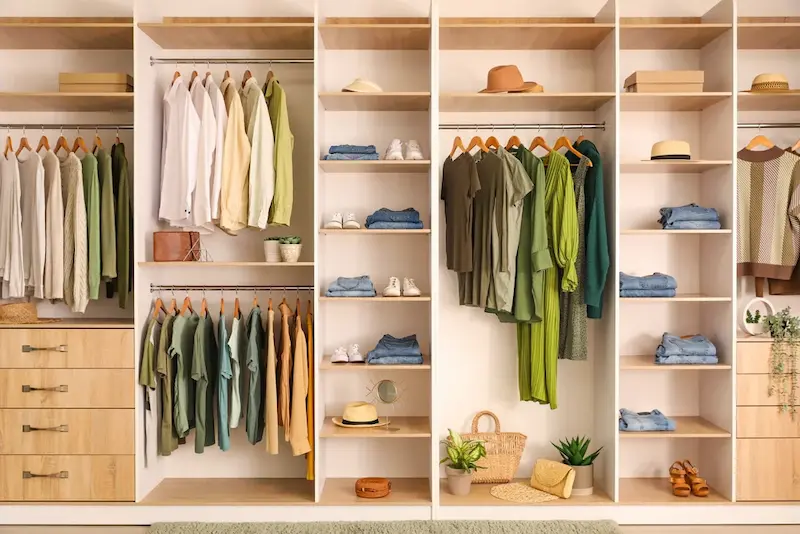
A basic wardrobe is the backbone of effortless daily style. It helps you save time, reduces decision fatigue, and ensures that you always look put together. Instead of constantly buying trendy items that may go out of style, focusing on versatile staples allows both men and women to mix and match outfits for different occasions. A well-planned wardrobe also helps you shop smarter, avoid clutter, and maintain a consistent personal style.
Essential Clothing Items for Men
Men should focus on versatile staples that can be worn in multiple ways:
- T-shirts: Plain or subtly patterned t-shirts in neutral colors like white, black, grey, and navy. Great for layering or casual outings.
- Shirts: Casual and formal shirts in solid colors or simple patterns. Perfect for work, meetings, or smart-casual events.
- Trousers and Jeans: Well-fitted jeans for casual wear and trousers for office or formal occasions. Neutral colors like black, grey, or navy are easiest to pair.
- Outerwear: Light jackets, blazers, or cardigans for layering. Can be dressed up or down depending on the event.
- Shoes: Sneakers for casual days, loafers or dress shoes for work, and boots for colder weather.
Essential Clothing Items for Women
Women can create a versatile wardrobe with carefully chosen essentials:
- Tops and Blouses: Neutral-colored tops that can be paired with skirts, trousers, or jeans.
- Dresses: Simple, versatile dresses that can be worn casually or accessorized for work or outings.
- Skirts and Trousers: A few well-fitted skirts or trousers in neutral shades. Can be mixed and matched with tops and blouses.
- Layering Pieces: Cardigans, blazers, or lightweight jackets for warmth and style.
- Shoes: Comfortable flats or sneakers for everyday use, a pair of heels for formal occasions, and boots for seasonal wear.
- Accessories: Minimal jewelry, scarves, or belts to enhance outfits without overcomplicating them.
Prioritizing Quality, Fit, and Comfort
Clothes that fit well and feel comfortable make a bigger impact than flashy or trendy pieces. Ill-fitting clothing can reduce confidence and make even expensive outfits look sloppy. Investing in good-quality fabrics ensures durability, maintains shape, and feels better on the skin. Always choose items that allow easy movement, suit your body shape, and can be layered or styled differently.
Choosing Versatile Pieces
Focus on clothing items that can serve multiple purposes. A neutral blazer can be worn over a t-shirt for casual outings or paired with a shirt for formal work events. Dresses or tops in solid colors can be styled differently with jackets, scarves, or jewelry. Versatile pieces reduce the number of items needed while increasing outfit combinations.
Building Your Wardrobe Gradually
You don’t need to buy everything at once. Start with essential items and gradually add pieces that reflect your personal style and lifestyle. Observe which colors, fabrics, and fits you wear most often. This approach prevents unnecessary purchases, keeps your wardrobe organized, and ensures that each piece is practical, wearable, and matches your daily routine.
Tips for Maintaining a Basic Wardrobe
- Organize by type and color: Makes it easier to plan outfits quickly.
- Invest in classics: White shirt, black trousers, neutral dress—these never go out of style.
- Rotate seasonal items: Keep heavier items for winter and lighter ones for summer.
- Take care of fabrics: Follow washing and care instructions to make clothes last longer.
- Avoid overbuying trends: Trendy items can complement basics but shouldn’t dominate your wardrobe.
you may also like to read these posts;
How to Organize Wardrobe: Easy Tips for a Tidy Closet
Modern Fashion Trends: Stylish Tips for Every Outfit
Wardrobe Essentials List: Build a Stylish, Versatile Closet
Capsule Wardrobe Tips: Build a Stylish, Versatile Closet
Daily Wardrobe Organization Tips for a Tidy, Stress-Free Closet
Choosing the Right Fit and Fabrics

Why Fit Matters
Fit is the foundation of looking stylish, no matter your age or body type. Clothes that fit well enhance your shape, make you appear confident, and instantly elevate even a simple outfit. Baggy clothes can make you look sloppy, while overly tight clothes may be uncomfortable and unflattering. Both men and women should prioritize fit over trends, as well-fitted basics often create a more timeless and polished look.
How to Determine the Right Fit
- Shoulders: For shirts, jackets, and blazers, the seams should align perfectly with your shoulders. If they hang off or pull tight, the garment doesn’t fit.
- Waist and Hips: Pants, skirts, and dresses should fit snugly without pinching. Stretch fabrics help maintain comfort while following your body shape.
- Length Matters: Shirt sleeves should reach the wrist bone, trousers should slightly touch the top of your shoes, and dresses should sit comfortably without riding up.
- Test Movement: Always sit, bend, and move around in your clothes before buying. Comfort is just as important as appearance for daily wear.
Best Fabrics for Everyday Wear
Choosing the right fabric ensures your clothes look good and feel comfortable. Here are the best options:
- Cotton: Soft, breathable, and versatile. Perfect for t-shirts, shirts, dresses, and casual pants. Easy to wash and maintain. men and women style guide
- Linen: Lightweight, breathable, and ideal for warm weather. Gives a relaxed yet classy look, though it wrinkles easily. men and women style guide
- Wool and Wool Blends: Soft, warm, and perfect for sweaters, coats, or winter workwear. Retains shape and provides a polished appearance.
- Polyester Blends: Durable, wrinkle-resistant, and easy to maintain. Good for office wear and daily clothing that needs to last. men and women style guide
- Stretch Fabrics (Elastane, Spandex): Provide flexibility and comfort. Great for fitted jeans, trousers, and active wear, allowing free movement. men and women style guide
Fabrics to Avoid for Daily Wear
Certain fabrics may be stylish but are less practical for everyday use:
- Heavy synthetics that trap heat and cause discomfort men and women style guide
- Stiff or scratchy fabrics that irritate skin men and women style guide
- Materials that require special care, frequent ironing, or dry cleaning men and women style guide
- Fabrics that stretch out or lose shape easily with regular washing men and women style guide
Comfort Meets Style
Style doesn’t have to compromise comfort. Lightweight fabrics with a soft drape create a polished, elegant look while remaining comfortable all day. Combining comfortable fabrics with well-fitted clothes ensures you look stylish without feeling restricted. men and women style guide
Fabrics for Different Seasons
- Summer: Cotton, linen, chambray, and light blends keep you cool and breathable. Avoid heavy fabrics that trap heat.
- Winter: Wool, fleece, thick cotton, and blends provide warmth. Layering with scarves, sweaters, or jackets enhances both style and comfort.
- Rainy or Transitional Seasons: Quick-dry, wrinkle-resistant, and water-repellent fabrics are practical. Light jackets, synthetic blends, or coated cotton protect from rain without compromising style.
Tips for Maintaining Fabric Quality
- Follow Care Instructions: Always read washing, drying, and ironing labels.
- Avoid Overwashing: Fabrics last longer when washed only as needed. men and women style guide
- Store Properly: Hang jackets, blazers, and coats to retain shape; fold knits and delicate items neatly. men and women style guide
- Rotate Your Wardrobe: Avoid wearing the same pieces every day to prevent early wear and tear. men and women style guide
- Protect Colors and Fabrics: Wash similar colors together, avoid harsh detergents, and air-dry delicate fabrics. men and women style guide
Extra Tips for Men and Women
- Men: Invest in well-fitted shirts, trousers, and jackets in cotton or wool blends for versatility. Stretch fabrics in casual pants or jeans improve comfort. men and women style guide
- Women: Dresses, blouses, and skirts in breathable cotton, linen, or soft blends are versatile. Layer with cardigans or jackets in winter to stay stylish and comfortable. men and women style guide
- Universal Tip: Choose neutral-colored fabrics (white, black, grey, beige, navy) for easier pairing and more outfit combinations. men and women style guide
How many essential wardrobe items do I need?
For both men and women, 10–15 versatile basics are enough to create multiple daily outfits. Focus on items like neutral t-shirts, shirts, trousers, jeans, dresses, skirts, and layering pieces that can be mixed and matched easily.
Can men and women share wardrobe basics like neutral colors?
Yes! Neutral colors such as black, white, grey, beige, and navy work well for both men and women. These shades make outfit coordination easier and allow more versatility with fewer pieces.
How do I combine comfort and style for a busy day?
Choose well-fitted clothing in breathable fabrics. Stick to neutral colors or simple patterns and layer with versatile pieces like jackets or cardigans. Comfortable shoes and minimal accessories complete a stylish, practical look.
How often should I update my wardrobe essentials?
Focus on quality over quantity. Update essentials gradually as needed, replacing worn-out items or adding versatile pieces that suit your personal style and lifestyle changes. Seasonal adjustments are also important to stay comfortable and stylish.
Conclusion
Dressing well doesn’t have to be complicated or expensive. By focusing on comfort, fit, and versatile wardrobe essentials, both men and women can create stylish outfits effortlessly. Understanding your personal style, choosing the right fabrics, and coordinating colors ensures that your daily outfits look polished and feel comfortable. Following this men and women style guide will help you save time, build confidence, and enjoy fashion without stress. Start with the basics, invest in quality pieces, and gradually refine your style to reflect your personality and lifestyle.