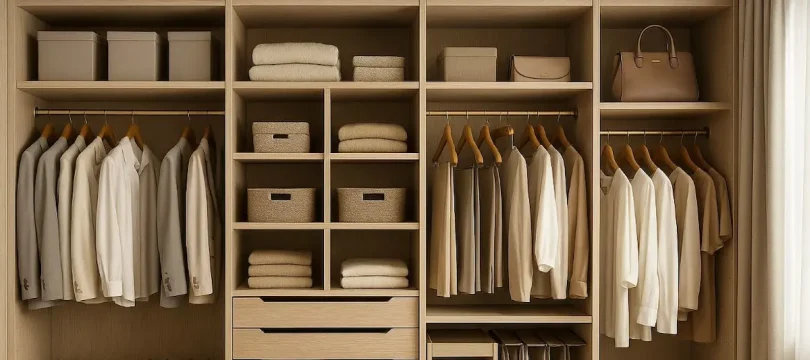

A smart wardrobe is more than just a collection of clothes—it’s a system that saves time, reduces clutter, and makes getting dressed effortless. With the right approach, you can create a functional, stylish, and organized closet that works for your lifestyle. smart wardrobe tips
Whether you have a small closet or a walk-in wardrobe, building a smart wardrobe means choosing versatile pieces, organizing efficiently, and maintaining your clothes so they last longer. This guide will provide practical tips for decluttering, organizing, and managing your wardrobe, helping beginners and fashion enthusiasts alike enjoy a stress-free and stylish closet every day.
Declutter Your Closet
Decluttering is the first and most essential step to creating a smart wardrobe. By removing clothes you no longer wear, don’t fit, or are damaged, you free up space, simplify outfit planning, and make your closet more functional.
1. Take Everything Out
- Remove all clothes, shoes, and accessories from your closet and drawers.
- Lay items on a flat surface like a bed to see everything clearly.
- Seeing all your items at once helps you identify what you truly use and what is just taking up space.
2. Sort Into Three Piles
- Keep: Clothes you wear regularly, fit well, and are in good condition.
- Donate: Items in good condition that you no longer need or wear.
- Discard/Recycle: Clothes that are damaged, stained, or worn out beyond repair.
- Beginner tip: Be honest—if you haven’t worn an item in over a year, it’s likely safe to let it go.
3. Check Fit, Style, and Condition
- Try on items if you’re unsure whether they fit or suit your current style.
- Remove anything that no longer reflects your personal style or body shape.
- Inspect for stains, holes, fading, or other damage. Smart Wardrobe Tips
4. Seasonal Decluttering
- Separate clothes by season (spring/summer and fall/winter).
- Store off-season items in labeled bins, vacuum bags, or higher shelves.
- Keep only current-season clothes accessible for daily use.
5. Set Up a Donation or Recycling Routine
- Keep a box or bag in your closet specifically for donation or recycling.
- Make decluttering a regular habit, such as once every 3–6 months, to maintain a smart wardrobe. Smart Wardrobe Tips
- Consider local charities, thrift stores, or textile recycling programs for unwanted items. Smart Wardrobe Tips
6. Benefits of Decluttering
- Frees up space and reduces clutter Smart Wardrobe Tips
- Makes outfit selection quicker and easier Smart Wardrobe Tips
- Helps you focus on quality pieces that match your style Smart Wardrobe Tips
- Creates a cleaner, more organized, and visually appealing closet Smart Wardrobe Tips
Decluttering your closet is the foundation of a smart wardrobe. Once unnecessary items are removed, it becomes much easier to organize, categorize, and maintain your clothing efficiently. Smart Wardrobe Tips
Invest in Versatile Pieces Smart Wardrobe Tips
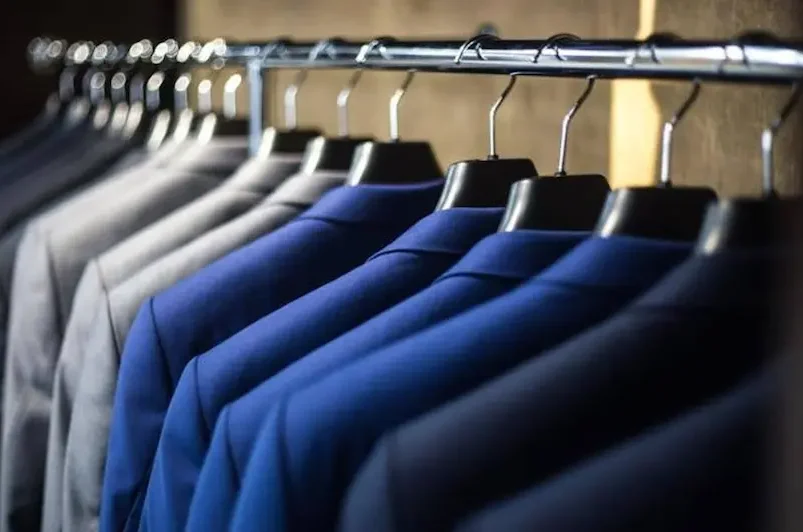
A smart wardrobe isn’t about having a large number of clothes—it’s about selecting versatile pieces that can be mixed and matched to create multiple outfits. Choosing quality, timeless items ensures your wardrobe is practical, stylish, and easy to maintain. Smart Wardrobe Tips
1. Start with Wardrobe Essentials
- Focus on foundational basics that you can combine in many ways:
- Tops: Plain T-shirts, blouses, button-down shirts, neutral sweaters
- Bottoms: Jeans, tailored trousers, versatile skirts
- Dresses: Simple, classic dresses like a little black dress or neutral shift dress
- Outerwear: Blazers, jackets, or coats that match multiple outfits
- Shoes: Neutral flats, sneakers, or classic heels
- Beginner tip: Stick to neutral colors like black, white, beige, gray, or navy—they pair easily with almost anything in your wardrobe.Smart Wardrobe Tips
2. Prioritize Timeless Over Trendy
- Invest in classic pieces that never go out of style, like a white shirt, black pants, or a denim jacket. Smart Wardrobe Tips
- Avoid buying too many fast-fashion items that may wear out quickly or go out of trend. Smart Wardrobe Tips
- Add trendy pieces sparingly, like a bold print blouse or seasonal shoes, to keep your wardrobe fresh without cluttering it.
3. Focus on Quality and Fit
- Choose items made from durable fabrics that retain shape, color, and texture after multiple washes. Smart Wardrobe Tips
- Well-fitted clothes instantly look polished, even if they are simple.
- Don’t hesitate to tailor basics for a perfect fit—small adjustments can dramatically improve your look. Smart Wardrobe Tips
4. Select Pieces That Can Be Mixed and Matched
- Choose items that can serve multiple purposes and outfit combinations:
- A blazer works with jeans for casual outings or trousers for work.
- A plain dress can be worn alone, layered with jackets, or accessorized differently. Smart Wardrobe Tips
- Neutral shoes match multiple outfits and occasions.
- Beginner tip: Aim for each piece to work in at least 3–5 outfit combinations, maximizing your wardrobe’s versatility. Smart Wardrobe Tips
5. Incorporate Multi-Purpose Accessories
- Scarves, belts, and jewelry can change the look of the same outfit, making your wardrobe feel larger. Smart Wardrobe Tips
- Stick to neutral or versatile colors and styles that complement multiple outfits.
- Beginner tip: Keep accessories organized so they’re easy to pair with different pieces. Smart Wardrobe Tips
6. Benefits of Investing in Versatile Pieces
- Reduces wardrobe clutter and eliminates “I have nothing to wear” moments
- Saves time when planning outfits Smart Wardrobe Tips
- Maximizes the value of each purchase Smart Wardrobe Tips
- Helps create a cohesive, stylish, and practical wardrobe that lasts
Investing in versatile, high-quality, and mix-and-match pieces is the cornerstone of a smart wardrobe. With the right essentials, timeless classics, and a few carefully chosen trendy items, you can create a functional, stylish, and effortless wardrobe that simplifies your daily dressing routine.
you may also like to read these posts;
How to Organize Wardrobe: Easy Tips for a Tidy Closet
Modern Fashion Trends: Stylish Tips for Every Outfit
Wardrobe Essentials List: Build a Stylish, Versatile Closet
Capsule Wardrobe Tips: Build a Stylish, Versatile Closet
Daily Wardrobe Organization Tips for a Tidy, Stress-Free Closet
Organize by Category and Color
Once you’ve decluttered your closet and invested in versatile pieces, the next step is to organize your wardrobe by category and color. This method makes your wardrobe easy to navigate, saves time when selecting outfits, and keeps your closet visually appealing.
1. Organize by Category
- Group your clothing into main categories: tops, bottoms, dresses, jackets, shoes, and accessories.
- Within each category, separate similar items:
- T-shirts vs. long-sleeve shirts
- Skirts vs. trousers
- Casual jackets vs. formal blazers
- This structure makes it simple to locate items quickly and see what you own at a glance.
- Beginner tip: Keep frequently worn items at eye level or in the front, while rarely used or seasonal items can be stored higher or lower.
2. Sub-Categorize by Color
- Arrange items within each category from light to dark shades for a clean, organized look.
- For patterned items, group by dominant color or pattern type for easier outfit coordination.
- This color arrangement not only looks neat but also helps in creating stylish combinations quickly.
- Beginner tip: Start with neutrals like black, white, gray, beige, or navy, then add vibrant or patterned pieces gradually for versatility.
3. Organize by Frequency of Use
- Place your everyday essentials—T-shirts, jeans, workwear—within easy reach.
- Store seasonal or special-occasion clothing in less accessible spots like higher shelves or storage bins.
- Beginner tip: Rotate clothing at the start of each season so the current season’s items are easy to grab.
4. Group Accessories Strategically
- Use drawers, trays, hooks, or bins to keep belts, scarves, hats, jewelry, and other accessories organized.
- Group by type, color, or size to make pairing with outfits faster.
- Beginner tip: Transparent containers or labeled boxes make it easier to see and access your accessories.
5. Label Sections for Easy Maintenance
- Label drawers, shelves, or bins to ensure everything has its place.
- This is especially helpful if multiple people share a closet or for keeping smaller items consistently organized.
- Beginner tip: Use simple tags or stickers—you don’t need anything fancy to stay organized.
6. Benefits of Organizing by Category and Color
- Makes finding clothes and accessories faster and more efficient
- Simplifies outfit planning and coordination
- Keeps the wardrobe visually appealing and easy to maintain
- Reduces decision fatigue and prevents clutter from building up
By organizing your wardrobe by category and color, you create a structured system that makes daily dressing simpler and more enjoyable. Every item has a place, so you can focus on styling outfits rather than searching for them.
Use Smart Storage Solutions
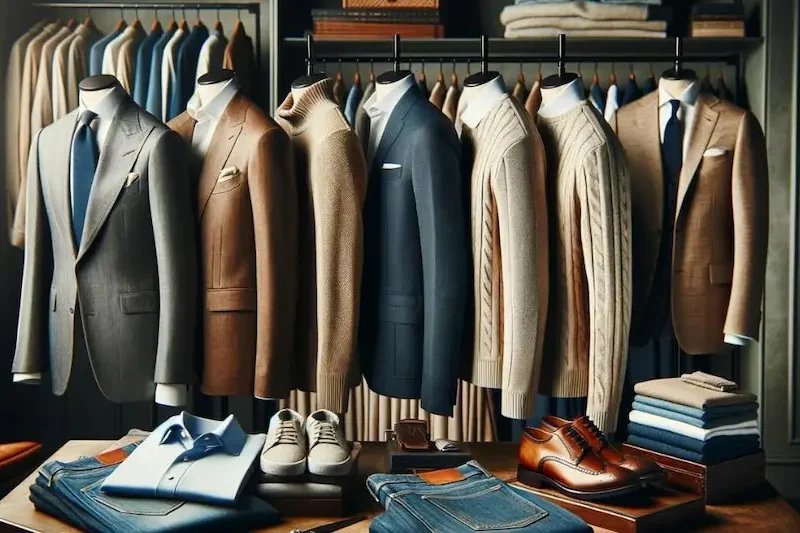
Smart storage solutions maximize your closet space, keep items easily accessible, and make maintaining your wardrobe simple. The right techniques work for any closet size, whether small or large, and help create a neat, functional space that saves time and reduces stress.
1. Hanging Organizers
- Use hangers for shirts, blouses, jackets, dresses, and coats to prevent wrinkles and maintain shape.
- Choose uniform hangers—wooden or slim velvet hangers are ideal—to keep your closet looking neat.
- Hanging shelf organizers are great for folded clothes, shoes, or bags, especially in small spaces.
- Beginner tip: Hang frequently used items at eye level and less-used items higher or lower.
2. Shelves and Bins
- Fold heavy items like sweaters, jeans, or hoodies and store them on shelves to prevent stretching.
- Use baskets or bins for bags, hats, scarves, or off-season clothes.
- Clear bins or labeled containers make it easy to see and retrieve items without rummaging.
- Organize by category, season, or color to make finding items fast and easy.
- Beginner tip: Stack heavier items at the bottom of shelves and lighter ones on top for stability.
3. Drawer Dividers and Organizers
- Keep small items like socks, underwear, scarves, or jewelry neat with dividers.
- Drawer organizers prevent clutter and help maintain a consistent system.
- Beginner tip: Dedicate each drawer section to a single type of item, e.g., socks in one section, scarves in another.
4. Hooks, Racks, and Over-the-Door Storage
- Wall-mounted hooks or over-the-door racks are perfect for belts, scarves, handbags, hats, and ties.
- Tiered or cascading hooks allow multiple items in a small space.
- Beginner tip: Place frequently used items at eye level for convenience and less-used items higher up.
5. Space-Saving Techniques
- Vacuum-sealed bags save space for bulky coats or out-of-season items.
- Under-bed storage boxes are ideal for shoes, blankets, or rarely used clothing.
- Double hanging rods maximize vertical space for short items like shirts or skirts.
- Hanging shelf organizers can store folded clothes, shoes, or accessories vertically.
- Beginner tip: Store rarely used items higher or in hidden spaces, keeping daily essentials easily accessible.
6. Use Clear Labels and Visual Organization
- Label shelves, bins, or drawers so everything has a designated spot.
- This helps maintain organization, especially if multiple people share the closet.
- Beginner tip: Use color-coded labels or simple stickers—no need for expensive solutions.
7. Incorporate Multi-Functional Storage
- Storage cubes or modular shelving can adapt to your wardrobe needs.
- Use stackable bins for seasonal rotation of clothes.
- Multi-functional storage keeps items organized, protected, and easy to access.
8. Benefits of Smart Storage Solutions
- Maximizes space and reduces clutter in any closet
- Protects clothing from wrinkles, dust, and damage
- Saves time finding clothes and assembling outfits
- Keeps your wardrobe visually appealing, functional, and easy to maintain
- Reduces stress and makes daily dressing effortless
Implementing smart storage solutions transforms your wardrobe into a functional, organized, and efficient space, allowing you to enjoy your clothes, save time, and maintain a clutter-free closet.
How often should I declutter my wardrobe?
It’s best to declutter twice a year, typically at the start of each season. Regular maintenance, like folding and returning items to their designated spots weekly, helps keep your wardrobe organized.
How do I maximize space in a small closet?
Use vertical space with double hanging rods, hooks, and shelf organizers.
Store off-season or rarely used items in bins, vacuum-sealed bags, or under-bed storage.
Fold bulky items and keep frequently used clothes within easy reach.
Should I hang or fold my clothes?
Hang: Delicate fabrics, dresses, blouses, jackets, and coats to prevent wrinkles.
Fold: Sweaters, jeans, T-shirts, hoodies, and bulky items to maintain shape and save space.
Conclusion
Creating a smart wardrobe is all about simplicity, organization, and versatility. By decluttering, investing in versatile pieces, organizing by category and color, and using smart storage solutions, you can build a closet that is both functional and stylish.
A well-organized wardrobe saves time, reduces stress, protects your clothes, and makes daily outfit selection effortless. With these practical tips, even beginners can enjoy a tidy, efficient, and stylish wardrobe that suits their lifestyle. Start small, stay consistent, and you’ll see how a smart wardrobe can transform your daily routine and elevate your style.