
A well-curated wardrobe starts with knowing the essentials. Having a wardrobe essentials list helps you build a functional and versatile closet, saving time, money, and stress when choosing outfits.
Whether you’re starting fresh or refreshing your current wardrobe, essentials are the foundation of every stylish and practical wardrobe. From classic tops and bottoms to shoes and accessories, having the right basics ensures you can mix and match effortlessly for work, casual outings, or special occasions. This guide will provide a comprehensive list of wardrobe essentials for beginners and fashion enthusiasts alike, making it easier to create a timeless, organized, and stylish closet.
Tops Essentials
Tops are the backbone of any wardrobe. A carefully chosen selection of versatile, high-quality tops ensures you can create multiple outfits effortlessly, whether for work, casual outings, or special occasions. The key is to focus on timeless, mix-and-match pieces that suit your lifestyle, body shape, and personal style.
1. Plain T-Shirts
- Neutral colors like white, black, gray, and beige are must-haves because they pair with almost anything. Wardrobe Essentials List
- Can be dressed down with jeans or shorts, or dressed up with a blazer, jacket, or statement accessories. Wardrobe Essentials List
- Fabrics like cotton, cotton blends, or modal provide comfort, durability, and breathability. Wardrobe Essentials List
- Beginner tip: Invest in 3–5 high-quality plain tees to cover casual, layering, and everyday needs. Wardrobe Essentials List
- Pro tip: Choose slightly fitted or tailored styles to create a polished look even in casual outfits. Wardrobe Essentials List
2. Blouses and Button-Down Shirts
- Perfect for work, business meetings, or semi-formal events. Wardrobe Essentials List
- Colors like white, light blue, or soft pastels are versatile, while subtle patterns like stripes or small polka dots add style variety. Wardrobe Essentials List
- Can be tucked into skirts or trousers, layered under sweaters, or worn alone for a professional or polished appearance. Wardrobe Essentials List
- Fabrics such as cotton, silk blends, or linen are breathable and comfortable for all-day wear. Wardrobe Essentials List
- Beginner tip: Choose at least one classic white shirt and one patterned blouse to have options for different occasions. Wardrobe Essentials List
3. Sweaters and Cardigans
- Essential for layering in cooler weather or air-conditioned environments.
- Neutral shades like gray, navy, beige, or black are easy to pair with multiple bottoms. Wardrobe Essentials List
- Lightweight cardigans are perfect for layering over blouses or dresses, while chunky sweaters work well for casual outfits. Wardrobe Essentials List
- Fabrics like wool blends, cotton, or cashmere provide warmth and durability.
- Beginner tip: Invest in one neutral cardigan and one cozy sweater to cover casual and semi-formal needs. Wardrobe Essentials List
4. Layering Basics
- Include tank tops, camisoles, or long-sleeve undershirts for versatility.
- Perfect for layering under sheer blouses, jackets, sweaters, or cardigans.
- Neutral shades are practical, but adding a few colors that match your wardrobe palette can brighten outfits. Wardrobe Essentials List
- Beginner tip: Choose lightweight, fitted pieces to avoid bulk when layering.
5. Statement or Seasonal Tops (Optional)
- A few tops with bold colors, patterns, or embellishments can add personality and variety. Wardrobe Essentials List
- Great for special occasions, seasonal trends, or creating standout outfits.
- Beginner tip: Limit these to 2–3 pieces so they complement rather than clutter your wardrobe. Wardrobe Essentials List
6. Benefits of Having Tops Essentials
- Makes outfit planning faster and easier
- Provides a solid base for layering and styling
- Reduces wardrobe clutter by focusing on versatile and timeless pieces
- Allows you to mix and match with bottoms, outerwear, and accessories effortlessly
By building a collection of versatile tops, you create a foundation for a functional and stylish wardrobe. With the right combination of basics, layering pieces, and a few statement tops, daily outfit selection becomes stress-free, practical, and stylish.
you may also like to read these posts;
How to Organize Wardrobe: Easy Tips for a Tidy Closet
Modern Fashion Trends: Stylish Tips for Every Outfit
Capsule Wardrobe Tips: Build a Stylish, Versatile Closet
Daily Wardrobe Organization Tips for a Tidy, Stress-Free Closet
Bottoms Essentials

Bottoms are a key component of any wardrobe, forming the foundation for countless outfits. A well-curated collection of bottoms ensures you can easily create looks for work, casual outings, or special occasions. The goal is to focus on versatile, timeless pieces that can be mixed and matched with your tops, outerwear, and accessories.
1. Jeans
- Jeans are a wardrobe must-have for casual and semi-casual outfits.
- Include different washes:
- Dark wash for polished or evening looks
- Light wash for casual, everyday wear
- Medium wash for versatility
- Choose classic cuts like straight-leg, slim-fit, or bootcut—they never go out of style.
- Beginner tip: Invest in 2–3 pairs of high-quality jeans that fit well and flatter your body shape.
- Pro tip: Roll up hems or pair with sneakers or heels to create different styles.
2. Tailored Trousers or Pants
- Ideal for work, formal events, or smart-casual occasions.
- Neutral shades like black, navy, gray, or beige make pairing with tops easy.
- Ensure good fit around the waist and hips—tailored trousers elevate any outfit instantly.
- Beginner tip: Pair trousers with blouses, shirts, or lightweight sweaters for a professional, polished look.
- Pro tip: A cropped trouser is versatile for both office wear and casual styling with sneakers.
3. Skirts
- Skirts add feminine elegance and variety to your wardrobe.
- Recommended types:
- Pencil skirt: perfect for work or formal occasions
- A-line or midi skirt: ideal for casual or semi-formal outings
- Neutral skirts like black, navy, or beige are versatile; subtle patterns add style variety.
- Beginner tip: Choose skirts that hit around the knee or mid-calf for maximum flexibility.
- Pro tip: Pair skirts with tucked-in tops or lightweight sweaters for chic styling.
4. Shorts and Casual Pants
- Essential for warmer weather, relaxed weekends, or casual days.
- Neutral or denim shorts are versatile and easy to style with tees, blouses, or tank tops.
- Casual pants like chinos or joggers combine comfort and style for laid-back outfits.
- Beginner tip: Opt for a pair of tailored shorts or casual pants that can be dressed up or down depending on the occasion.
- Pro tip: Neutral-colored casual pants can double as smart-casual pieces with the right top and shoes.
5. Seasonal or Statement Bottoms (Optional)
- A few bold or trendy bottoms add flair to your wardrobe without overwhelming it.
- Examples: printed skirts, leather pants, culottes, or wide-leg trousers.
- Pair statement bottoms with neutral tops to keep outfits balanced and stylish.
- Beginner tip: Limit to 1–2 statement pieces to maintain versatility in your wardrobe.
6. Benefits of Having Bottoms Essentials
- Provides a foundation for creating multiple outfit combinations
- Ensures you have options for work, casual, and special occasions
- Reduces clutter by focusing on versatile, timeless pieces
- Simplifies daily outfit planning and saves time
By investing in classic jeans, tailored trousers, versatile skirts, and casual pants, you can build a wardrobe that is functional, stylish, and adaptable for any occasion, making everyday dressing effortless and stress-free.
Dresses Essentials
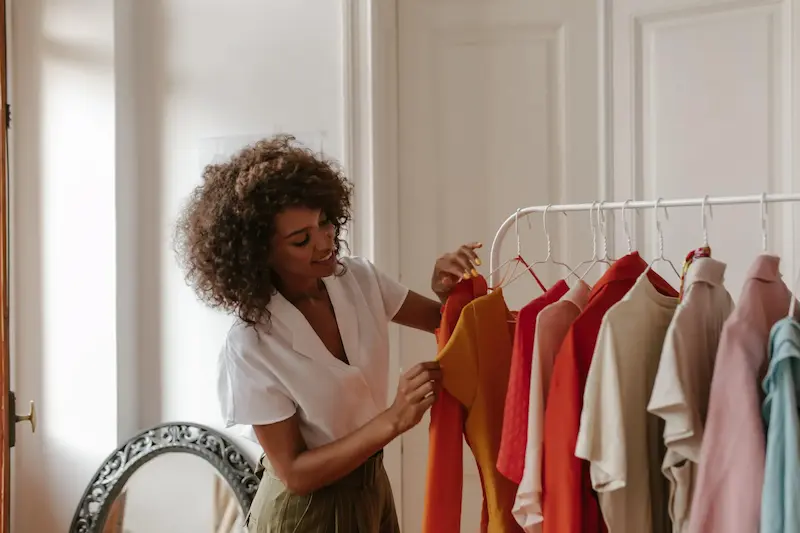
Dresses are some of the most versatile pieces in any wardrobe. They offer a complete outfit in one piece, saving time while allowing you to look polished and stylish. By selecting a few timeless, versatile, and functional dresses, you can cover casual, work, and special occasions effortlessly.
1. Little Black Dress (LBD)
- The ultimate wardrobe staple suitable for nearly any event—from dinners to formal parties.
- Can be dressed up with heels, statement jewelry, or a blazer, or dressed down with flats, sandals, or a denim jacket.
- Beginner tip: Opt for a classic silhouette that flatters your body shape, like A-line, sheath, or wrap style.
- Pro tip: Keep the LBD simple in design for maximum versatility and longevity.
2. Casual Day Dress
- Perfect for everyday wear, errands, weekend outings, or casual meet-ups.
- Comfortable fabrics like cotton, linen, or jersey ensure breathability and ease of movement.
- Neutral colors or subtle prints are easy to pair with accessories or jackets for varied looks.
- Beginner tip: Knee-length or midi dresses are versatile and suit most body types.
- Pro tip: Include one casual dress that can double as summer wear or layered with a cardigan in cooler weather.
3. Work-Appropriate Dress
- Ideal for office, professional meetings, or business casual settings.
- Classic styles like shift dresses, sheath dresses, or wrap dresses provide a polished, professional look.
- Neutral or muted tones like black, navy, gray, or beige are versatile and easy to style with blazers, cardigans, or accessories.
- Beginner tip: Choose a dress that can be layered or paired with statement accessories to transition from office to evening events.
4. Seasonal or Statement Dresses (Optional)
- A few trendy or bold dresses can add personality and variety to your wardrobe.
- Examples:
- Floral prints for spring
- Maxi dresses for summer
- Velvet or sequin dresses for winter events or parties
- Beginner tip: Limit statement dresses to 1–2 pieces to maintain versatility while still keeping your wardrobe stylish.
- Pro tip: Pair statement dresses with neutral shoes and accessories to maximize outfit options.
5. Dresses for Layering
- Some dresses, like shirt dresses or long-sleeve midi dresses, work well for layering under cardigans, blazers, or jackets.
- Ideal for changing seasons or adapting to different weather conditions.
- Beginner tip: Keep layering-friendly dresses in neutral colors for easy mix-and-match styling.
6. Benefits of Having Dress Essentials
- Provides ready-to-wear outfits for casual, professional, or formal occasions
- Simplifies outfit planning and reduces daily decision fatigue
- Offers versatility by pairing easily with shoes, outerwear, and accessories
- Keeps your wardrobe functional, stylish, and adaptable for any situation
By including a balanced mix of classic LBDs, casual day dresses, work-appropriate styles, and a few statement pieces, your wardrobe will be versatile, stylish, and prepared for any occasion. Dresses allow you to create polished outfits effortlessly while maximizing your wardrobe’s potential.
How many pieces should a wardrobe essentials list include?
A practical wardrobe essentials list typically includes 30–50 key pieces covering tops, bottoms, dresses, outerwear, shoes, and accessories. The exact number depends on your lifestyle, climate, and personal style.
Can wardrobe essentials include trendy items?
Yes, but limit trendy items to 1–2 pieces. Focus primarily on timeless and versatile pieces that you can mix and match for multiple occasions.
How often should I update my essentials list?
Review your wardrobe every 6–12 months. Remove worn-out items, replace outdated pieces, and add new essentials to adapt to your lifestyle, season, and trends.
Conclusion
Building a wardrobe essentials list is the key to creating a functional, versatile, and stylish closet. By focusing on timeless tops, bottoms, dresses, outerwear, shoes, and accessories, you can mix and match effortlessly for work, casual outings, or special occasions.
A thoughtfully curated wardrobe saves time, reduces stress, and ensures you always have go-to outfits ready. Whether you’re a beginner or looking to refresh your closet, following a wardrobe essentials guide helps you invest in pieces that are practical, stylish, and long-lasting. Start with the basics, add a few statement items, and maintain your collection regularly to enjoy a wardrobe that works for every occasion.