
Building a wardrobe as a beginner can feel overwhelming, but it doesn’t have to be complicated. A well-organized and thoughtfully curated wardrobe saves time, money, and stress while helping you look stylish every day.
This guide will show you simple and practical wardrobe tips for beginners. From essential clothing pieces and understanding your personal style to shopping smartly and organizing your closet, these tips will help you create versatile outfits that are easy to mix and match. Whether you’re starting from scratch or refreshing your existing wardrobe, following these tips will make dressing up effortless, fun, and stress-free.
Start with the Basics
Building a strong wardrobe starts with the right basics. These are the foundational pieces you can mix and match to create multiple outfits, save time in the morning, and avoid wardrobe stress. As a beginner, focusing on essentials ensures your wardrobe is practical, versatile, and stylish without being overwhelming.
1. Essential Clothing Staples
Every beginner should invest in timeless, versatile pieces that form the backbone of your wardrobe. Key items include:
- T-shirts: Neutral colors like white, black, grey, and beige are perfect for layering under jackets, cardigans, or wearing alone. A few high-quality T-shirts go a long way.
- Jeans: A well-fitting pair of classic denim in blue or black works for casual, semi-casual, and even smart-casual outfits. Look for a cut that flatters your body shape.
- Button-up shirts: Perfect for work, smart-casual occasions, or layered over a T-shirt for a relaxed look. White and light blue are beginner-friendly choices.
- Neutral dresses: Simple dresses in black, beige, or navy are versatile for multiple occasions and easy to accessorize. A-line or shift dresses are beginner-friendly.
- Blazers and cardigans: These layering pieces instantly elevate simple outfits. A neutral blazer works for work and casual outings, while cardigans add comfort and style to everyday looks.
- Simple skirts or trousers: A basic pencil skirt, midi skirt, or tailored trousers in neutral tones can be paired with multiple tops.
2. Neutral Colors as a Foundation
Neutrals like black, white, beige, grey, and navy are the easiest colors to style and match.
Why they’re important: Neutral pieces act as the foundation of your wardrobe, making it easy to pair them with patterned or colorful items later.
Beginner tip: Start with a few high-quality neutral pieces and gradually add accent colors or prints to expand your wardrobe.
3. Quality Over Quantity
It’s better to own fewer, high-quality basics than a closet full of low-quality items. Quality pieces last longer, feel better on your skin, and look more polished.
How to choose: Check the fabric, stitching, and overall fit. Even simple pieces look stylish when they are well-made.
Beginner tip: Focus on materials that are durable, easy to care for, and versatile across different outfits.
4. Avoid Trend Overload
Trendy items are fun, but they come and go quickly. Beginners should focus on building a solid base first. Once your wardrobe has strong basics, adding a few trendy pieces becomes easy and sustainable.
Beginner tip: Incorporate trends gradually through accessories, shoes, or one statement piece instead of revamping your entire wardrobe each season.
5. Mixing and Matching Made Easy
- Pair a white T-shirt with jeans and a blazer for a classic look.
- Layer a neutral cardigan over a dress for casual elegance.
- Use basic skirts or trousers with patterned tops for effortless style.
Understanding Your Style Wardrobe Tips for Beginners
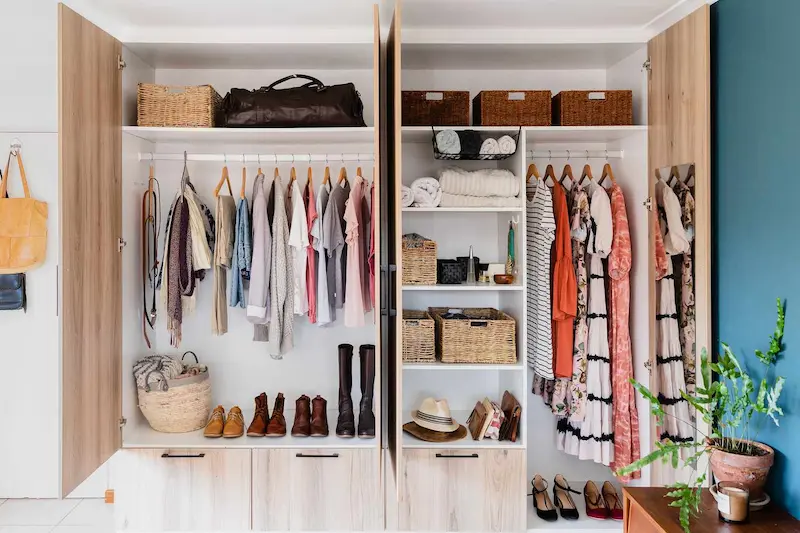
Understanding your personal style is one of the most important steps for building a functional and enjoyable wardrobe. Your style influences what you buy, how you mix pieces, and how confident you feel in your outfits. Without clarity, it’s easy to purchase items that don’t get worn or create mismatched outfits.
1. Identify Your Style Preferences
Begin by observing the clothes you naturally gravitate toward and feel confident in. Common style categories for beginners include:
- Casual: Focuses on comfort with versatile pieces like jeans, T-shirts, casual dresses, and sneakers. Wardrobe Tips for Beginners
- Minimalist: Clean lines, neutral colors, and functional basics create a timeless wardrobe. Wardrobe Tips for Beginners
- Chic: Polished and elegant pieces like tailored trousers, blazers, midi skirts, and statement accessories. Wardrobe Tips for Beginners
- Sporty: Athletic-inspired pieces like joggers, hoodies, sneakers, and relaxed tops. Wardrobe Tips for Beginners
- Trendy: Incorporates current fashion trends, often balanced with basic wardrobe staples. Wardrobe Tips for Beginners
Beginner tip: Make a list of your favorite clothing items, colors, and patterns. You can also create a mood board using Pinterest or magazine cutouts to visualize your preferred style. Wardrobe Tips for Beginners
2. Analyze Your Lifestyle
Your style should reflect your daily activities, work environment, and social life:
- If you work in a formal setting, focus on tailored pieces, neutral colors, and polished accessories. Wardrobe Tips for Beginners
- For a casual lifestyle, prioritize comfortable and versatile basics.
- For active lifestyles, include sporty and easy-care pieces.
Beginner tip: Invest in pieces that suit your routine, not just trends. Functionality matters as much as style.
3. Mix and Match Your Pieces
Once your style is identified, learn to combine your wardrobe items effectively:
- Pair neutral basics with one statement piece (like a patterned top or bold accessory) to keep outfits balanced. Wardrobe Tips for Beginners
- Mix fabrics and textures, such as pairing a knit sweater with tailored trousers or a denim jacket with a cotton dress. Wardrobe Tips for Beginners
- Blend styles carefully—for instance, casual sneakers can complement a chic dress for a modern look. Wardrobe Tips for Beginners
Beginner tip: Start simple and gradually experiment with different combinations. Keep your go-to outfits as a reference for easy styling. Wardrobe Tips for Beginners
4. Use Fashion Inspiration Wisely
Fashion blogs, social media, and magazines are excellent sources of inspiration. Observe how influencers mix colors, prints, textures, and accessories.
Beginner tip: Adapt ideas to your own wardrobe, body shape, and comfort level rather than copying them exactly. Wardrobe Tips for Beginners
5. Experiment Gradually
Your style doesn’t need to be fixed immediately. Experiment with one new piece, color, or pattern at a time. Observe what makes you feel confident and comfortable, and build your wardrobe around those items. Wardrobe Tips for Beginners
Beginner tip: Track what works and what doesn’t. Over time, you’ll have a better understanding of your personal style, making future shopping easier and more intentional. Wardrobe Tips for Beginners
Quick Tips for Beginners
- Comfort and confidence should always come first.
- Keep a style folder or notebook to save outfit ideas and inspirations.
- Start with simple combinations before experimenting with bolder looks.
- Remember that style evolves—your wardrobe should be flexible and adaptable. Wardrobe Tips for Beginners
you may also like to read these posts;
How to Organize Wardrobe: Easy Tips for a Tidy Closet
Modern Fashion Trends: Stylish Tips for Every Outfit
Wardrobe Essentials List: Build a Stylish, Versatile Closet
Capsule Wardrobe Tips: Build a Stylish, Versatile Closet
Daily Wardrobe Organization Tips for a Tidy, Stress-Free Closet
Wardrobe Organization Tips
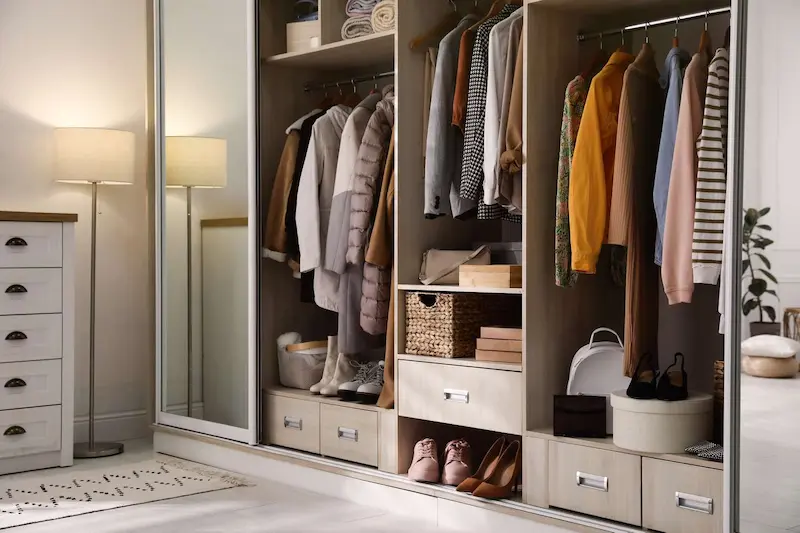
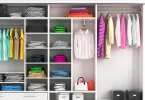
A well-organized wardrobe saves time, reduces stress, and helps you make the most out of your clothing. Even a small closet can be functional and stylish with the right approach. Here’s how beginners can keep their wardrobe tidy and easy to use.
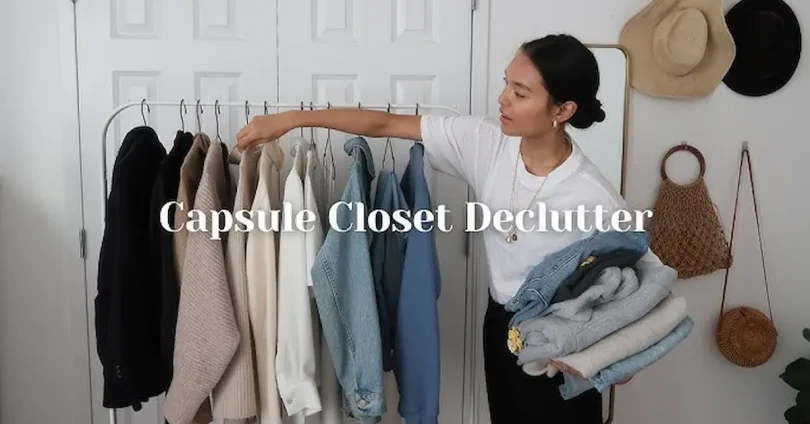
1. Declutter Regularly
The first step to an organized wardrobe is removing items you no longer wear or need.
How to declutter:
- Take everything out of your closet and sort into three piles: keep, donate, or discard.
- Remove clothes that are damaged, worn out, or no longer fit.
- Let go of items you haven’t worn in the last 12 months.
Beginner tip: Decluttering seasonally helps maintain a functional wardrobe and keeps your closet fresh.
2. Categorize Your Clothing
Organizing by category makes it easier to find what you need quickly.
How to categorize:
- Group by type: tops, bottoms, dresses, outerwear, shoes, and accessories.
- Further organize by color within each category for a visually appealing and easy-to-navigate closet.
- Use labeled bins or boxes for smaller items like scarves, belts, or hats.
Beginner tip: Keep frequently used items at eye level for quick access.
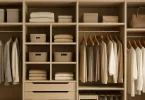
3. Use Smart Storage Solutions
Even small closets can be maximized with creative storage ideas:
- Hanging space: Use uniform hangers to save space and create a neat look.
- Drawer organizers: Keep small items like socks, underwear, and accessories tidy.
- Shelf dividers and bins: Ideal for sweaters, bags, or seasonal clothing.
- Hooks and racks: Perfect for belts, scarves, or hats to keep them visible and accessible.
Beginner tip: Rotate seasonal items—store off-season clothing in bins or under-bed storage to free up space.
4. Fold and Hang Strategically
How you store your clothes affects their longevity and accessibility:
- Fold heavier items like sweaters to prevent stretching.
- Hang delicate fabrics like blouses, dresses, and tailored pieces to avoid wrinkles.
- Keep shoes in racks or boxes to protect them and maintain order.
Beginner tip: Organize by frequency of use—daily essentials should be most accessible.
5. Maintain Regularly
An organized wardrobe requires consistent upkeep:
- Spend 10–15 minutes weekly tidying, refolding, or re-hanging clothes.
- Return clothes to their designated spots immediately after use.
- Reassess your wardrobe every few months to remove items you no longer wear.
Beginner tip: A small weekly routine prevents clutter from piling up and keeps your wardrobe functional.
Quick Tips for Beginners
- Keep your wardrobe simple and functional; less is often more.
- Use storage solutions that suit your space and lifestyle.
- Prioritize visibility—if you can see it, you’ll wear it.
- Rotate seasonal clothing to make room for current items.
How many pieces should a beginner wardrobe have?
A beginner wardrobe doesn’t need to be huge. Focus on 30–50 versatile pieces, including tops, bottoms, outerwear, shoes, and accessories that can be mixed and matched.
How do I mix basics with trendy items?
Pair trendy pieces like a statement top, patterned skirt, or bold accessory with neutral basics. This keeps outfits stylish without feeling overwhelming.
How can I keep my wardrobe organized in a small closet?
Use vertical space with hooks, racks, or hanging organizers. Fold heavier items, use bins for accessories, and rotate seasonal clothing to save space.
Conclusion
Building a functional and stylish wardrobe doesn’t have to be overwhelming. By focusing on essential pieces, understanding your personal style, and keeping your closet organized, beginners can create versatile outfits with ease.
Start with timeless basics in neutral colors, invest in quality over quantity, and gradually introduce trendy items that suit your lifestyle. Regular decluttering, smart storage, and careful outfit planning ensure your wardrobe stays practical and stress-free.
With these simple wardrobe tips for beginners, you can save time, reduce stress, and feel confident in every outfit—making dressing up an enjoyable and effortless part of your day.