
Introduction
Competitive gaming has become one of the fastest-growing entertainment industries in the world, attracting millions of players who want to improve their skills and climb ranks. Whether you are playing first-person shooters, battle royale games, or strategy-based esports titles, success depends on more than just quick reflexes. It requires discipline, smart decision-making, and consistent practice. Many beginners struggle because they focus only on winning instead of learning core mechanics and game sense. However, with the right competitive gaming tips, any player can significantly improve performance over time. Understanding maps, mastering controls, and learning from mistakes are essential steps in becoming a better gamer. In today’s digital era, competitive gaming is not just a hobby; it is also a professional career path for many players worldwide. Therefore, developing strong habits early can make a huge difference in long-term success. This guide provides a complete breakdown of strategies, techniques, and expert insights to help you perform better in every match and improve your overall gaming experience.
What is Competitive Gaming?
Competitive gaming refers to playing video games in a structured and skill-based environment where players compete against others to win matches, tournaments, or rankings. Unlike casual gaming, competitive gaming focuses on performance, strategy, teamwork, and consistent improvement. It includes esports tournaments, ranked matchmaking systems, and online competitions where players are matched based on skill levels. Competitive gaming is present in various genres such as FPS (First Person Shooter), MOBA (Multiplayer Online Battle Arena), sports simulation games, and battle royale titles. Players often train for hours to refine mechanics, improve reaction time, and understand advanced strategies. The goal is not just entertainment but achieving higher ranks, winning tournaments, or even becoming a professional esports player. Competitive gaming also involves analyzing opponents, learning meta strategies, and adapting quickly during matches. It has evolved into a global industry with professional teams, sponsorships, and international competitions that attract millions of viewers worldwide.
Why is Competitive Gaming Important?
Competitive gaming is important because it helps players develop critical skills such as decision-making, problem-solving, and teamwork. It also improves hand-eye coordination and cognitive reflexes, which are essential in fast-paced games. For many players, it is a pathway to professional esports careers where they can earn income through tournaments, streaming, and sponsorships. Additionally, competitive gaming builds discipline and consistency, as players must practice regularly to stay at the top of their game. It also enhances strategic thinking, as players must analyze opponents and adapt to changing situations in real time. Beyond personal growth, competitive gaming has created a global community where players connect, compete, and learn from each other. It also encourages healthy competition, pushing players to improve their skills continuously. With the rise of esports, competitive gaming has become a recognized industry that offers both entertainment and career opportunities.
Detailed Step-by-Step Guide
Step 1: Understand Game Mechanics
Before jumping into competitive matches, it is important to understand the basic mechanics of the game. This includes controls, movement, shooting mechanics, abilities, and map layout. A strong foundation helps players react quickly during intense situations.
Step 2: Master One Role or Character
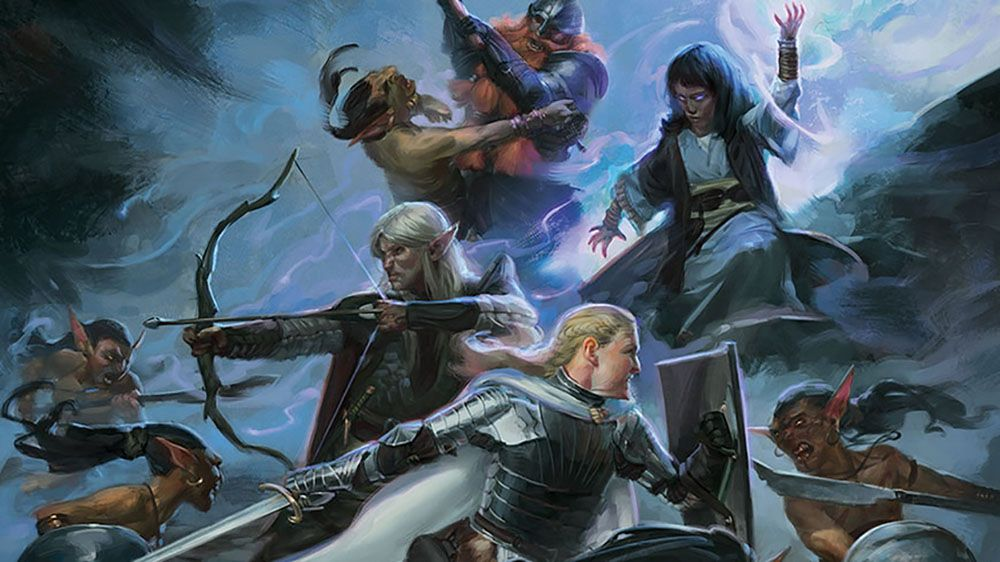
Instead of switching between multiple roles, focus on mastering one character or playstyle. This helps you gain deep knowledge and improve consistency in performance. Specialization often leads to faster ranking progress.
Step 3: Improve Aim and Reflexes
Practice aiming daily using training modes or aim drills. Reflex-based games require fast reaction times, so consistent practice is essential. Small improvements in aim can significantly impact match outcomes.
Step 4: Learn Map Awareness
Understanding maps gives players a huge advantage. Knowing spawn points, hiding spots, and rotation paths helps in making better decisions during matches. Map awareness also improves positioning.
Step 5: Focus on Communication
In team-based games, communication is key. Sharing enemy positions, strategies, and updates helps the entire team perform better. Clear and concise communication improves coordination.
Step 6: Analyze Your Gameplay
Reviewing past matches helps identify mistakes and weaknesses. Watching replays allows players to understand what went wrong and how to improve in future games.
Step 7: Study Professional Players
Observing professional gamers can provide valuable insights into advanced strategies, movement techniques, and decision-making skills. Learning from experts accelerates improvement.
Benefits of Competitive Gaming
- Improves reaction time and hand-eye coordination
- Enhances strategic thinking and decision-making skills
- Builds teamwork and communication abilities
- Offers career opportunities in esports and streaming
- Increases focus and concentration levels
- Encourages discipline and consistency in practice routines
- Provides global networking opportunities with other gamers
Disadvantages / Risks
- Can lead to excessive screen time and fatigue
- May cause stress or frustration after losses
- Risk of addiction if not managed properly
- Sedentary lifestyle due to long gaming sessions
- Possible negative impact on studies or work balance
- Requires high time investment for improvement
- Competitive pressure may affect mental well-being
Common Mistakes to Avoid
One common mistake players make is focusing only on winning instead of improving skills. Another mistake is ignoring game fundamentals such as positioning and map awareness. Many players also fail to warm up before matches, which affects performance. Overconfidence can lead to careless mistakes, while frustration after losing can reduce focus in future games. Some players also neglect teamwork and try to play individually in team-based games. Another major mistake is not adapting to updates or changes in game meta, which can reduce competitiveness. Avoiding these mistakes can significantly improve overall performance and consistency in competitive gaming.
FAQs
1. How can beginners improve in competitive gaming?
Beginners should focus on learning game mechanics, practicing regularly, and understanding maps. Starting with one role and improving gradually is more effective than trying everything at once.
2. How many hours should I practice daily?
Practicing 2–4 hours daily with focused training is enough for steady improvement. Quality practice is more important than long hours of casual play.
3. Is competitive gaming a good career?
Yes, competitive gaming can become a professional career through esports tournaments, streaming, and content creation, but it requires dedication and consistent performance.
4. What is the most important skill in competitive gaming?
Game sense is one of the most important skills, as it helps players make smart decisions based on the situation rather than relying only on reflexes.
5. How do I avoid losing streaks?
Take breaks, analyze mistakes, and avoid playing when frustrated. Maintaining a positive mindset helps break losing streak cycles.
6. Can teamwork improve ranking?
Yes, good teamwork significantly increases win rates in team-based games, as coordination and communication often decide match outcomes.
Expert Tips & Bonus Points
One of the most effective tips is maintaining consistency in practice. Short, focused sessions are more beneficial than random long sessions. Always warm up before ranked matches to improve reaction time. Adjusting game settings such as sensitivity and controls can also improve performance. Staying updated with game patches helps players adapt to new strategies quickly. Another bonus tip is maintaining a calm mindset during matches, as stress often leads to poor decisions. Finally, balancing gaming with rest is important to avoid burnout and maintain long-term performance.
Conclusion
Competitive gaming is more than just playing video games; it is a skill-based activity that requires dedication, strategy, and continuous improvement. Players who focus on learning rather than just winning tend to progress faster and achieve better results over time. By understanding game mechanics, improving communication, and practicing regularly, anyone can enhance their performance. Competitive gaming also offers exciting opportunities in the esports industry, making it a potential career path for passionate players. However, it is important to maintain balance, avoid burnout, and manage screen time effectively. With the right mindset and consistent effort, players can develop strong skills and enjoy long-term success in competitive gaming environments.