
Introduction
In today’s digital world, cybersecurity tips are no longer optional but a necessity for everyone who uses the internet. From social media accounts to online banking, our personal and professional lives are deeply connected to digital platforms. This growing dependency has also increased the risk of cyber threats such as hacking, phishing, identity theft, and malware attacks. Understanding basic cybersecurity tips can help beginners and intermediate users protect their sensitive data and maintain online safety. Whether you are working remotely, shopping online, or simply browsing websites, every click you make can expose you to potential risks if proper precautions are not taken. The purpose of this article is to provide a complete, practical, and easy-to-understand guide on cybersecurity tips that can be applied in daily life. You will learn what cybersecurity means, why it matters, how to implement effective safety practices, and what common mistakes you should avoid. By the end of this guide, you will have a strong foundation to protect your digital presence confidently and securely.
What is Cybersecurity?
Cybersecurity refers to the practice of protecting systems, networks, devices, and data from digital attacks. These attacks are usually carried out by cybercriminals who aim to steal information, damage systems, or gain unauthorized access. Cybersecurity includes a wide range of tools, strategies, and behaviors designed to safeguard digital environments. It involves everything from strong passwords and antivirus software to advanced encryption and network monitoring. In simple terms, cybersecurity ensures that your personal and professional data remains safe from unauthorized users. It is not limited to businesses or organizations; individuals also need to follow cybersecurity tips to stay protected in the digital space. With increasing internet usage, cyber threats are becoming more sophisticated, making cybersecurity awareness essential for everyone.
Why is Cybersecurity Important?
Cybersecurity is important because it protects your identity, financial information, and personal data from being misused. Without proper cybersecurity measures, users are vulnerable to attacks that can lead to financial loss, privacy breaches, and even long-term damage to reputation. Businesses can also suffer significant losses due to data breaches and system downtime. One of the main reasons cybersecurity matters is the increasing number of online threats that target individuals every day. Cybercriminals use advanced techniques such as phishing emails, fake websites, and malicious software to trick users. Following cybersecurity tips helps reduce these risks and keeps your digital life secure. It also ensures safe communication, secure transactions, and reliable access to online services. In short, cybersecurity is essential for maintaining trust and safety in the digital ecosystem.
Detailed Step-by-Step Guide
Step 1: Use Strong and Unique Passwords
One of the most effective cybersecurity tips is creating strong passwords. A strong password includes a combination of uppercase letters, lowercase letters, numbers, and symbols. Avoid using common words or easily guessable information like birthdays or names. Each account should have a unique password to prevent multiple accounts from being compromised if one is hacked.
Step 2: Enable Two-Factor Authentication
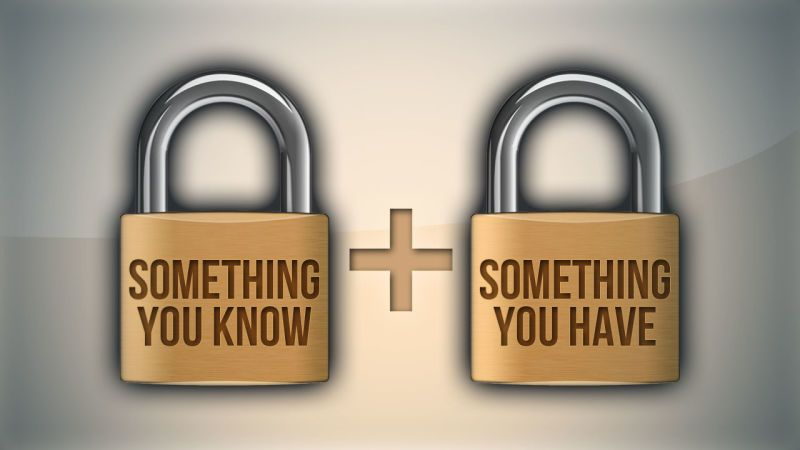
Two-factor authentication adds an extra layer of security to your accounts. Even if someone steals your password, they will not be able to access your account without the second verification step, such as a code sent to your phone or email. This is one of the most recommended cybersecurity tips for beginners.
Step 3: Keep Software Updated
Regular updates fix security vulnerabilities in software and applications. Hackers often exploit outdated systems to gain access. Always update your operating system, browsers, and apps to ensure maximum protection.
Step 4: Be Careful with Emails and Links
Phishing attacks are common, where attackers send fake emails that look legitimate. Never click on suspicious links or download attachments from unknown sources. Always verify the sender before taking any action.
Step 5: Use Antivirus and Firewall Protection
Installing reliable antivirus software helps detect and remove malware. A firewall acts as a barrier between your device and potential threats. Together, they provide strong protection against cyber attacks.
Step 6: Secure Your Wi-Fi Network
Always use a strong password for your Wi-Fi network and avoid using public Wi-Fi for sensitive activities like banking. If necessary, use a VPN for secure browsing.
Step 7: Backup Your Data Regularly
Regular backups ensure that your data is safe even if your device is compromised. Store backups on cloud storage or external drives.
Benefits of Cybersecurity Tips
Following cybersecurity tips provides multiple advantages for individuals and businesses. It enhances data protection and reduces the risk of identity theft. It ensures safe online transactions and prevents unauthorized access to sensitive accounts. Cybersecurity practices also improve overall digital awareness and help users recognize potential threats early. Additionally, they increase confidence while using online platforms for communication, shopping, or work. Businesses benefit from improved customer trust and reduced financial losses due to cyber incidents.
Disadvantages / Risks
Despite its importance, cybersecurity practices may have some challenges. Strong security measures can sometimes be complex for beginners to understand. Maintaining multiple secure passwords can be difficult to manage without password tools. Security software may slow down system performance in some cases. Additionally, over-reliance on tools without proper awareness can still leave users vulnerable if they ignore basic cybersecurity tips.
Common Mistakes to Avoid
Many users make mistakes that compromise their online security. One common mistake is using weak or repeated passwords across multiple accounts. Another mistake is ignoring software updates, which leaves systems vulnerable. Users also often click on unknown links without verifying their authenticity. Storing sensitive information on unsecured platforms is another risky behavior. Lastly, not enabling two-factor authentication significantly increases the risk of account hacking.
FAQs
What are basic cybersecurity tips for beginners?
Basic cybersecurity tips include using strong passwords, enabling two-factor authentication, updating software regularly, and avoiding suspicious links. These simple steps greatly improve online safety.
Why is cybersecurity important for personal users?
Cybersecurity is important because it protects personal data, financial information, and online identity from cybercriminals. Without it, users are at high risk of fraud and data theft.
How can I create a strong password?
A strong password should be long, unique, and include a mix of letters, numbers, and symbols. Avoid using personal information or common words.
What is phishing in cybersecurity?
Phishing is a type of cyber attack where attackers trick users into sharing sensitive information by pretending to be trustworthy sources.
Do I need antivirus software?
Yes, antivirus software helps detect and remove harmful malware and provides real-time protection against cyber threats.
How often should I update my software?
You should update your software as soon as updates are available to ensure protection against security vulnerabilities.
Expert Tips & Bonus Points
Experts recommend using a password manager to securely store login credentials. Always check website URLs before entering personal information. Use encrypted communication tools for sensitive conversations. Avoid using public Wi-Fi for financial transactions. Regularly monitor your accounts for unusual activity. Educating yourself continuously about new cyber threats is also one of the most effective cybersecurity tips for long-term safety.
Conclusion
Cybersecurity is an essential part of modern digital life, and understanding cybersecurity tips can significantly reduce your risk of online threats. From securing passwords to avoiding phishing attacks, every small step contributes to a safer online experience. As cyber threats continue to evolve, users must stay informed and proactive in protecting their digital presence. This guide has provided a complete overview of practical strategies that beginners and intermediate users can easily follow. By applying these cybersecurity tips consistently, you can safeguard your personal data, financial information, and online identity. Ultimately, cybersecurity is not just about tools and software; it is about building smart online habits that keep you safe in an increasingly connected world.