
Introduction
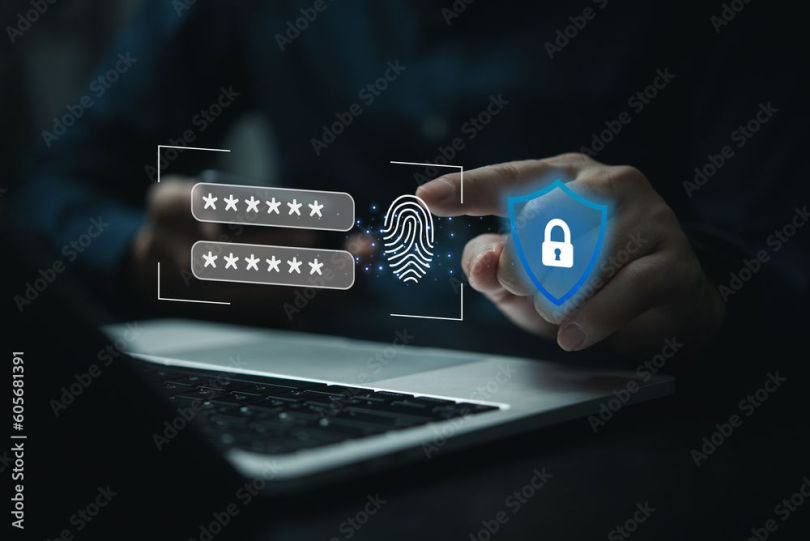
Online privacy protection has become one of the most important aspects of modern digital living. Every time you browse websites, use social media, or shop online, you leave behind digital traces that can be collected, analyzed, or even misused. Understanding online privacy protection is no longer optional; it is essential for anyone using the internet daily. In today’s connected world, personal information such as emails, passwords, location data, and browsing behavior is constantly at risk if not properly secured. Cyber threats, identity theft, and unauthorized tracking are increasing rapidly, making it crucial to adopt strong privacy habits. Online privacy protection helps individuals safeguard their sensitive information from hackers, advertisers, and data brokers. It also ensures that users maintain control over what they share and who can access it. Whether you are a student, professional, or casual internet user, learning how to protect your digital identity can significantly reduce risks. This guide explains everything in simple and practical terms, helping you build a strong foundation for safe online activity. By the end, you will understand how online privacy protection works and how to apply it effectively in your daily internet use without needing advanced technical knowledge.
What is Online Privacy Protection?
Online privacy protection refers to the practices, tools, and strategies used to secure personal data while using the internet. It focuses on controlling how information is collected, shared, and stored by websites, applications, and online services. The main goal of online privacy protection is to prevent unauthorized access to sensitive data such as passwords, financial details, and personal identity information. It also ensures that users can browse the internet without being excessively tracked or monitored. This includes protecting browsing history, search behavior, location data, and communication records. Online privacy protection involves both technical solutions like encryption and behavioral practices like using strong passwords and avoiding suspicious links. It is not limited to experts; anyone can apply basic privacy measures to improve their digital safety. In simple terms, it is about staying in control of your personal information in an increasingly data-driven world. With the rise of social media platforms and online services, the importance of online privacy protection has grown significantly. Without proper protection, personal data can be exploited for advertising, fraud, or identity theft. Therefore, understanding its concept is the first step toward building a secure online presence.
Why is Online Privacy Protection Important?
Online privacy protection is important because it directly impacts your safety, security, and digital freedom. In the absence of proper protection, personal information can easily fall into the wrong hands. Cybercriminals often use stolen data for identity theft, financial fraud, and unauthorized transactions. Moreover, companies collect vast amounts of user data for targeted advertising, often without users fully realizing it. This creates concerns about how much control individuals truly have over their personal information. Online privacy protection helps reduce these risks by limiting exposure and controlling data access. It also ensures that users can browse the internet without constant tracking or profiling. Another important reason is the increasing number of data breaches affecting major platforms worldwide. Even trusted services can be compromised, exposing millions of users at once. By practicing online privacy protection, individuals can minimize the impact of such incidents. It also promotes digital independence, allowing users to decide what they want to share online. In addition, it helps maintain confidentiality in personal and professional communications. Overall, online privacy protection is essential for maintaining trust, safety, and control in the digital environment.
Detailed Step-by-Step Guide
Step 1: Strengthen Your Passwords
One of the first steps in online privacy protection is creating strong and unique passwords for all accounts. Avoid using simple combinations like names or birthdays. Instead, use a mix of letters, numbers, and symbols to increase security.
Step 2: Enable Two-Factor Authentication
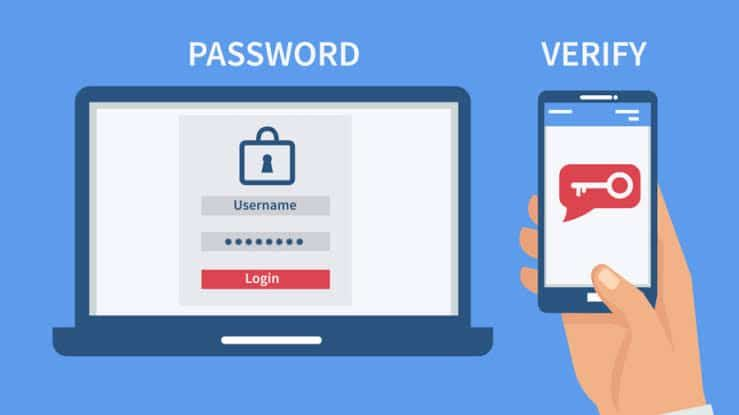
Two-factor authentication adds an extra layer of security. Even if someone gets your password, they will still need a second verification step to access your account.
Step 3: Use Secure Browsers
Modern browsers often include privacy features. Choose browsers that block trackers and offer secure browsing modes to enhance online privacy protection.
Step 4: Avoid Public Wi-Fi Risks
Public Wi-Fi networks are often unsecured. Avoid accessing sensitive accounts while connected to them, or use secure connections to protect your data.
Step 5: Manage App Permissions
Regularly check which apps have access to your location, camera, and contacts. Limit permissions to only what is necessary.
Step 6: Keep Software Updated
Software updates often include security patches. Keeping your devices updated reduces vulnerabilities that hackers can exploit.
Benefits of Online Privacy Protection
- Protects personal and financial information from cyber threats
- Reduces risk of identity theft and fraud
- Improves control over personal data sharing
- Enhances safe browsing experience
- Prevents unauthorized tracking and profiling
- Builds trust in digital platforms
- Supports secure communication across devices
Disadvantages / Risks
- Some privacy tools may slow down device performance
- Advanced security features can be complex for beginners
- Over-restriction may limit certain website functionalities
- Requires regular maintenance and updates
- Free tools may offer limited protection compared to paid options
Common Mistakes to Avoid
Many users make mistakes that weaken their online privacy protection. One common mistake is using the same password across multiple accounts, which increases vulnerability. Another mistake is ignoring software updates, leaving devices exposed to security threats. Users also often click on unknown links without verifying their source, which can lead to phishing attacks. Oversharing personal information on social media is another major issue that compromises privacy. Additionally, many people forget to check app permissions, allowing unnecessary access to sensitive data. Avoiding these mistakes can significantly improve overall digital safety.
FAQs
1. What is online privacy protection in simple terms?
It is the practice of securing your personal information while using the internet to prevent unauthorized access or misuse.
2. Why do I need online privacy protection?
It helps protect your identity, financial data, and online activities from hackers, advertisers, and data trackers.
3. Can online privacy protection stop hackers completely?
It reduces risks significantly but cannot guarantee 100% protection. It must be combined with safe online habits.
4. Is online privacy protection difficult to implement?
No, basic steps like strong passwords and two-factor authentication are easy to apply.
5. Does social media affect online privacy protection?
Yes, oversharing on social media can expose personal data and weaken your privacy.
6. Are free privacy tools enough?
Free tools offer basic protection, but advanced users may need premium solutions for stronger security.
Expert Tips & Bonus Points
Experts recommend using password managers to generate and store secure passwords safely. Another important tip is to regularly review your privacy settings on social media platforms. Using encrypted communication apps can also enhance online privacy protection. It is also wise to disable unnecessary location tracking on mobile devices. Additionally, avoid saving payment information on multiple websites unless necessary. Being cautious about phishing emails and fake websites is equally important for maintaining strong digital security.
Conclusion
Online privacy protection is no longer a technical luxury but a daily necessity for every internet user. As digital threats continue to evolve, protecting personal information has become a critical responsibility. By understanding the basics and applying practical steps, users can significantly improve their online safety. Simple habits such as using strong passwords, enabling two-factor authentication, and managing app permissions can make a major difference. Online privacy protection not only prevents cyber threats but also ensures peace of mind while browsing, communicating, or shopping online. It empowers users to take control of their digital identity and reduce unwanted exposure. Although no system is completely risk-free, consistent effort and awareness can greatly reduce vulnerabilities. Ultimately, online privacy protection is about building smart digital habits that safeguard your personal life in an increasingly connected world.